Reviewed by Dr. Brett Broda
|
Reading time: three minutes
When people talk about a dental implant being “rejected,” they are usually referring to a healing problem or another complication, not a true immune rejection. Dental implants are made from materials such as titanium, not living tissue, so they do not require the same type of immune acceptance as a transplanted organ. In other words, implant failure is generally a problem with healing or the surrounding tissues, not your immune system attacking the implant.
Table of Contents
What Dental Implant Rejection Really Means
Dental implants are made from titanium alloy because it is strong, biocompatible and able to integrate well with bone. After the implant is placed, new bone gradually forms around and in direct contact with its surface. This process, called osseointegration, creates the stable connection that holds the implant firmly in the jaw. Once an implant is osseointegrated, it is generally very stable and strong.
Sometimes, that junction between bone and implant does not form as expected. The implant may become loose instead of becoming firmly anchored in the jaw. An implant can also lose support later if the surrounding bone or gum tissue becomes diseased. These situations are considered implant failure rather than true immune rejection.
Signs of Implant Failure That Need Attention
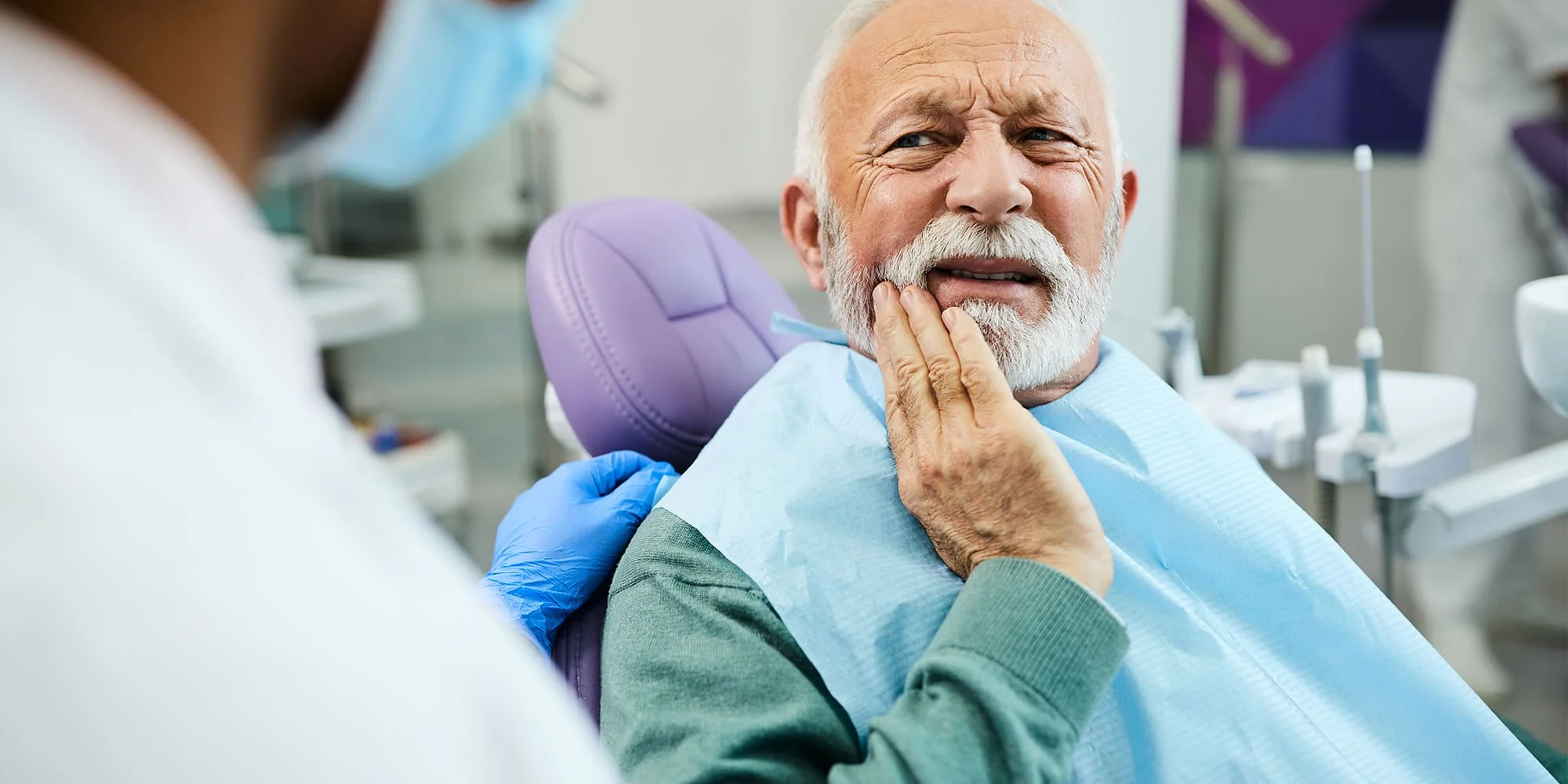
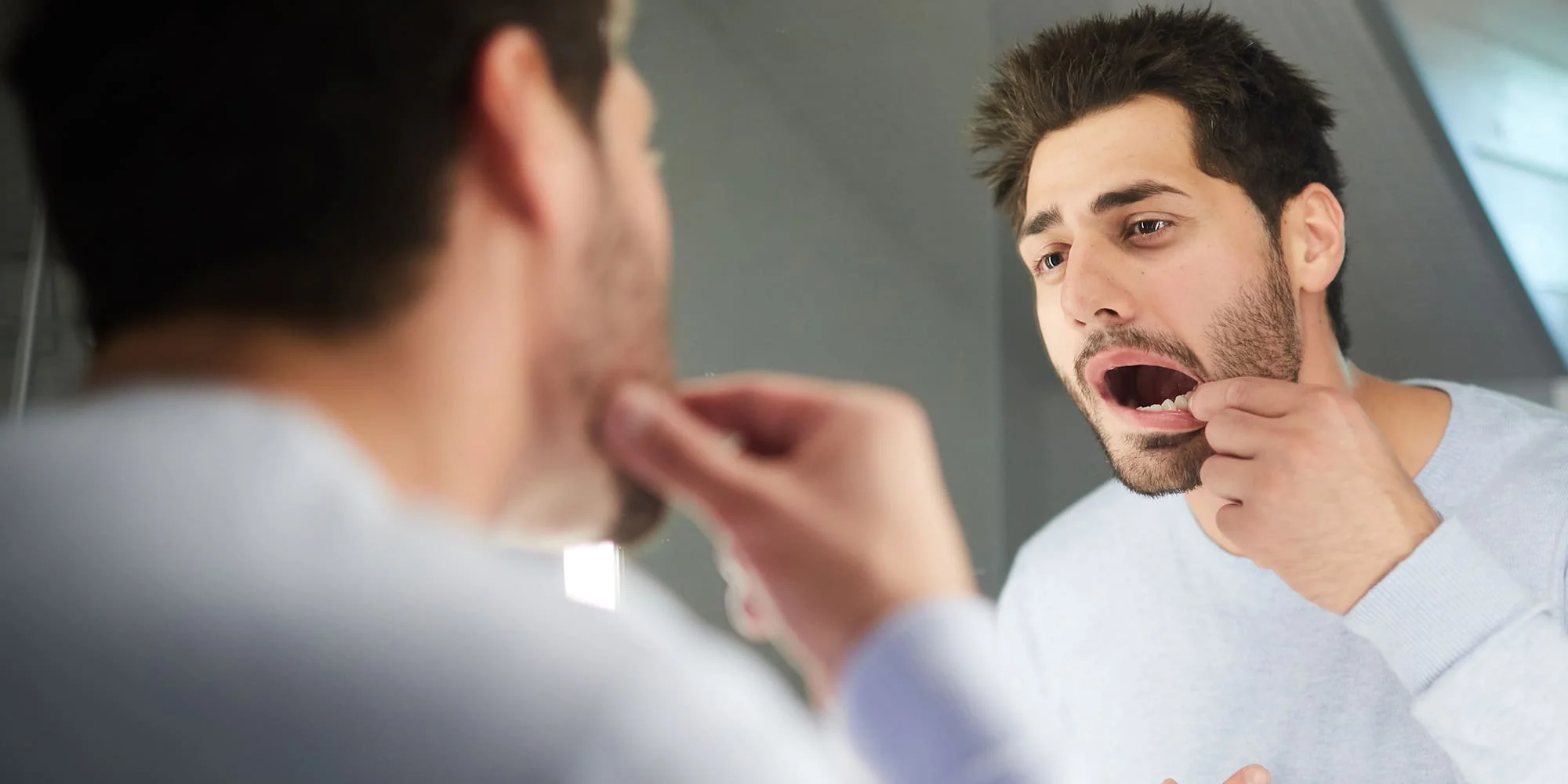
Some soreness and swelling are normal after implant surgery, but symptoms should gradually improve as the area heals. Implant failures typically fall into two categories: Early and Late Stage Failures. Early stage failures are when an implant fails to osseointegrate properly. Late stage failures are when osseointegration is lost, typically over 6 months after placement.
For more information about dental implant failure, read Why Dental Implants Fail and How to Reduce Your Risk.
What Can Affect Dental Implant Healing?
Dental implants fail to integrate when something interferes with the healing process. Usually due to certain health conditions, medications, smoking, or other factors such as infection, inadequate bone support or excess pressure on the implant.
How We Evaluate Dental Implant Problems
If an implant feels painful, loose or different from usual, Dr. Brett Broda can examine the implant, surrounding gums, bite and nearby teeth to identify possible causes. When needed, 3D CBCT imaging provides a detailed view of the surrounding bone and helps assess the implant’s stability and support.
Treatment depends on the findings. Some problems can be addressed by treating inflammation or adjusting the implant restoration, while others may require removal of the implant. Dr. Broda will explain the findings and recommend the appropriate next steps.
FAQ
Can you be allergic to a dental implant?
Yes, although a true allergy or hypersensitivity to titanium is rare. If you have a known metal allergy or have reacted to implanted metals in the past, let Dr. Broda know before treatment so he can determine whether further evaluation is appropriate. Alternative treatments area available.
Can your body push a dental implant out?
Not in the way the body can reject transplanted tissue. If an implant becomes loose or comes out, it usually means it did not integrate properly or has lost support from the surrounding bone.
How soon would I know if a dental implant is failing?
Some problems become noticeable during the healing period, while others can develop months or even years later. Increasing pain, movement, swelling or other changes around an implant should be evaluated.
Can a failed dental implant be replaced?
Yes, in many cases. Whether a failed dental implant can be replaced depends on what caused it to fail and the condition of the surrounding bone and gums.
Schedule a Dental Implant Evaluation
If your dental implant has become painful, loose or uncomfortable, an evaluation can help identify the cause and determine whether treatment is needed. If you have concerns about a dental implant placed elsewhere or would like a second opinion on a recommended treatment, Dr. Broda can assess your implant and discuss your options.
To book an appointment at our dental office in Boulder, CO, call (303) 442-6141 or visit us at 777 29th St UNIT 300, Boulder, CO 80303, United States.