Reviewed by Dr. Brett Broda
|
Reading time: three minutes
Tooth loss can cause the surrounding teeth to gradually move out of position. These changes may be subtle at first, but over time, you may notice that your teeth or bite look or feel different.
Table of Contents
Changes You May Notice After Losing a Tooth
Early changes can be easy to overlook because teeth tend to move slowly. You may notice:
- A gap that looks smaller or has changed shape
- New spaces between other teeth
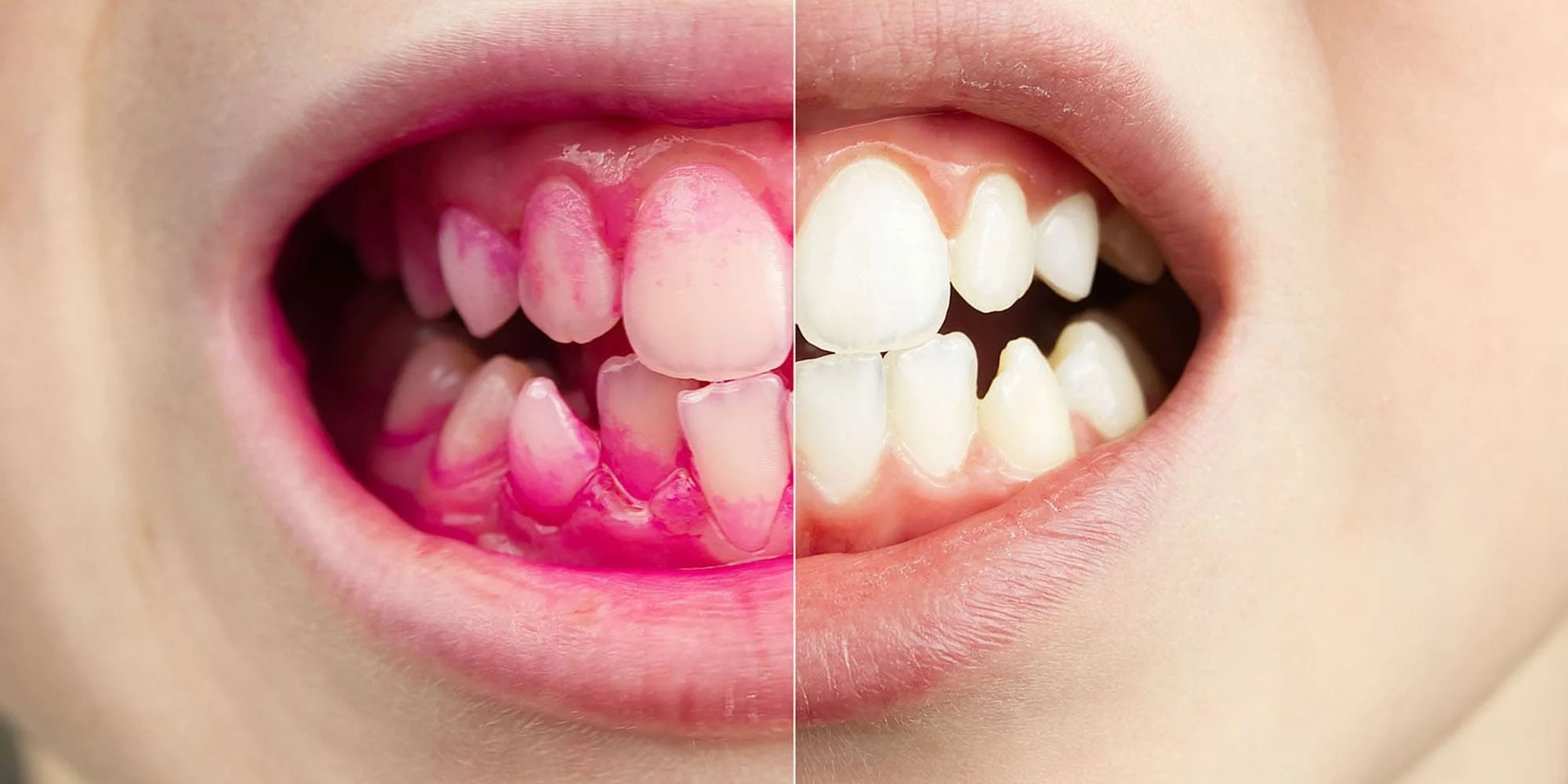
- A tooth that appears tilted or rotated
- Food getting caught around the open space
- Floss fitting differently between certain teeth
- A change in how your teeth come together
- New crowding
- The tooth opposite the gap looking longer
- Changes to your bite or ability to chew
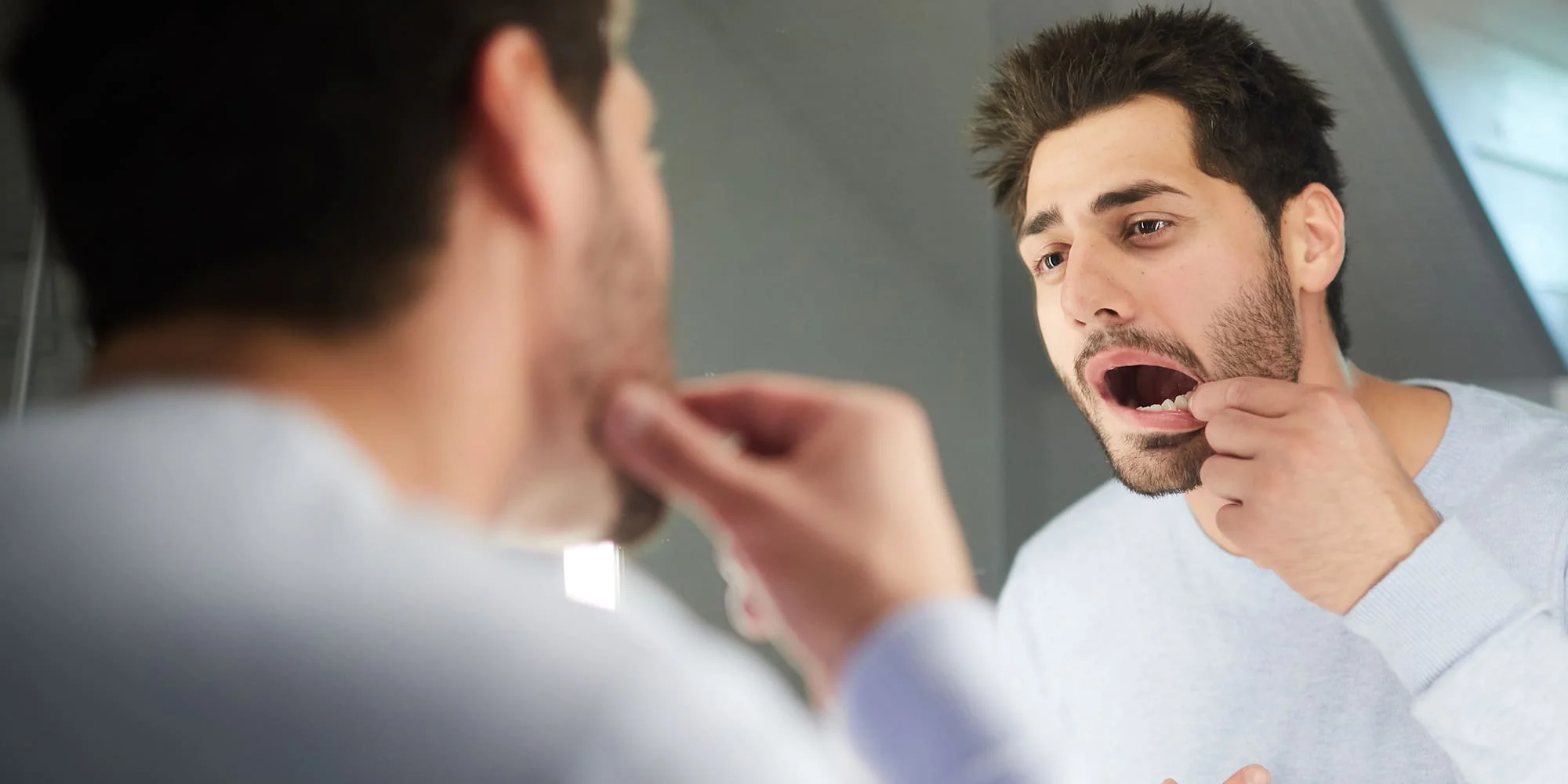
Not every change will be obvious in the mirror. Tooth movement is sometimes first noticed during a dental exam or by comparing current X-rays with earlier ones.
Why Do Teeth Move After Tooth Loss?
Teeth rely partly on contact with the teeth beside and opposite them to maintain their positions. When one is removed, the teeth on either side have room to tilt or rotate toward the gap. The opposing tooth may also move farther out of its socket because it no longer has another tooth to bite against. This is known as supereruption.
How Long Does It Take for Teeth to Shift After Tooth Loss?
There is no set timeline. Teeth can begin moving after a tooth is lost, but noticeable changes may take months or years. How quickly they shift depends on the location of the gap, your bite, and the health of the surrounding teeth and bone.
Because movement is unpredictable, it is best to discuss your options for replacing the tooth before the space begins to change.
Why Is It Important to Replace a Missing Tooth?
A missing tooth affects more than the space you can see. Over time, bone in the area can shrink, your bite can change, and the remaining teeth may take on more stress or become harder to keep clean. It’s not uncommon to see more wear and breakage on the remaining teeth as a result. Depending on the location of the missing tooth, it can also affect how well you chew.
Replacing a missing tooth helps maintain the structure and function of your mouth and protects the health of the teeth you still have.
How Dental Implants Replace Missing Teeth
A dental implant replaces both the missing tooth and its root. Because the implant is anchored in the jawbone, it provides a stable foundation for a custom crown while also helping preserve bone in the area. Usually this is the closest thing to a natural tooth.
Unlike a dental bridge, an implant does not require the neighbouring teeth to support the restoration. Once complete, you can brush, floss, bite and chew much like you would with a natural tooth.
Dr. Brett Broda places and restores dental implants at Broda Family Dental and can determine whether an implant is appropriate based on your oral health, available bone and the location of the missing tooth.
FAQ
Is it too late to replace a tooth that has been missing for years?
Not necessarily. Many people replace teeth years after they are lost. Dr. Broda can evaluate how the teeth and bone have changed and determine which replacement options are still possible. Often a 3D xray (CBCT) is needed to determine the amount of bone present.
Can missing teeth change the shape of your face?
Multiple missing teeth and significant bone loss can gradually affect facial support, particularly when tooth loss is extensive. The effect varies depending on how many teeth are missing and where they are located. Sunken in cheeks or a collapsed look are common with multiple missing teeth.
How does a dental bridge replace a missing tooth?
A dental bridge fills the space with an artificial tooth that is supported by the teeth on either side of the gap. Unlike a dental implant, a traditional bridge does not replace the tooth root or require surgery. They are a great option for people who want to avoid surgery or who would otherwise require extensive surgery. Bridges look natural and can function very well.
Protect Your Smile After Tooth Loss
Even if a missing tooth is not causing problems now, your mouth can continue to change over time. Dr. Broda can evaluate the space, your bite, the surrounding teeth and your bone health, then explain whether replacing the tooth is recommended and which options may be appropriate for you.
To book an appointment at our dental office in Boulder, CO, call (303) 442-6141 or visit us at 777 29th St UNIT 300, Boulder, CO 80303, United States.