Reviewed by Dr. Brett Broda
|
Reading time: three minutes
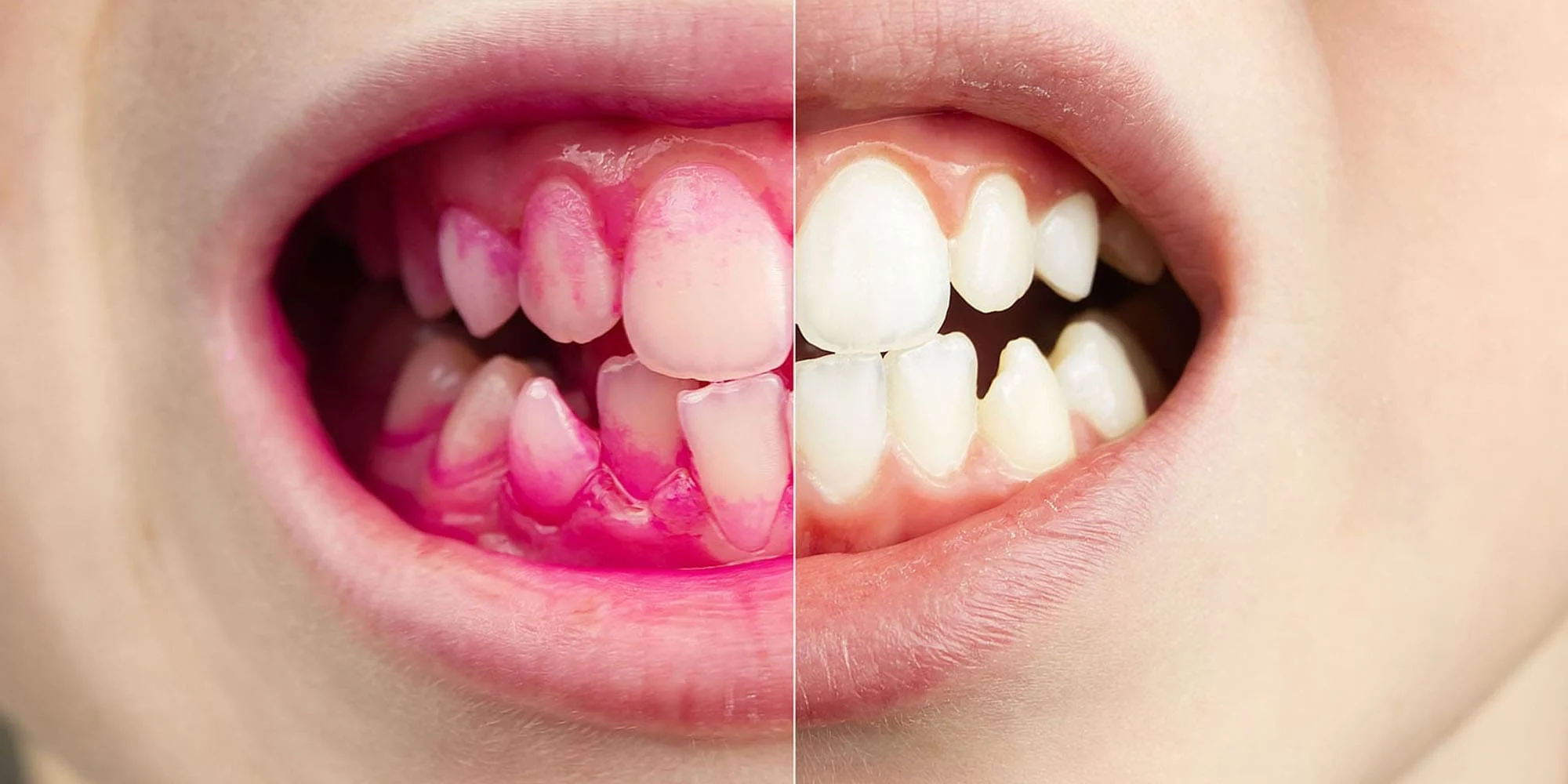
While cavities can cause bad breath, usually bad breath is from other sources. Tooth decay can create a hole where bacteria and food debris collect. As bacteria break down these particles, they release foul-smelling compounds that may affect the breath. However, tooth decay is only one possible cause of persistent bad breath.
Table of Contents
What Else Can Cause Bad Breath?
Cavities are not the only explanation for every case of bad breath. Odors frequently begin when bacteria accumulate on the tongue, between the teeth or along the gumline.
Other possible causes include:
- Plaque and tartar buildup
- Gingivitis or more advanced gum disease
- Acid reflux
- Dry mouth
- A coated tongue
- Food trapped around dental work
- An infected or abscessed tooth
- Tobacco use
- Certain foods or medications
- Several health conditions
Signs Tooth Decay May Be Causing Your Bad Breath
Bad breath alone cannot confirm that you have a cavity. In fact, usually bad breath is not the main sign of tooth decay. Tooth decay may also cause:
- Tooth sensitivity to hot, cold or sweet foods
- Pain when biting or chewing
- A visible hole, dark spot or discoloured area
- Food repeatedly catching in the same place
- A rough or sharp area on a tooth
- A persistent unpleasant taste
- Toothache or throbbing pain
- Bad tastes
Early tooth decay may cause no symptoms at all. Regular dental exams allow your dentist to find cavities before they become painful or difficult to treat.
Treatment for Cavities That Cause Bad Breath
Treating a cavity may improve bad breath if the decayed tooth is the source. At Broda Family Dental, Dr. Broda can examine your tooth to determine how far the decay has progressed and whether another oral health concern may be contributing to the odor.
Treatment may include:
- Remineralization treatment for early enamel changes
- A tooth-coloured filling to repair a cavity
- A crown when decay has weakened more of the tooth
- Root canal therapy if decay has reached the pulp
- Extraction when a severely damaged tooth cannot be restored
Dr. Broda also offers Papacárie Duo for certain cavities. Papacárie Duo may reduce or eliminate the need for drilling in suitable cases, including some deep cavities. This minimally invasive gel softens infected dentin. The decayed tissue is then removed with hand instruments while preserving healthy tooth structure.
How to Prevent Cavities and Bad Breath
Many of the habits that reduce cavity risk also help keep the breath fresher:
- Brush twice daily with toothpaste
- Floss or use a water flosser daily
- Gently clean the surface of your tongue (tongue scraping)
- Drink water regularly to support saliva production
- Limit frequent sugary snacks and drinks
- Attend routine dental exams and professional cleanings
- Avoid over eating or strong smelling foods
Persistent odor is worth mentioning at your dental visit, even if you do not have tooth pain. The cause may be subtle, and freshening products can make the problem less noticeable without addressing it.
FAQs
Can a rotten tooth cause a bad taste?
Yes. Advanced decay or an infected tooth can cause a persistent unpleasant taste, particularly if fluid is draining from an abscess. A bad taste accompanied by pain, swelling or fever should be evaluated promptly.
Can an old filling cause bad breath?
A damaged, loose or worn filling can sometimes create spaces where bacteria and food debris collect. If you notice persistent bad breath along with sensitivity, discomfort or food repeatedly catching around a filling, have the area evaluated.
What else causes bad breath?
Bad breath can have many causes besides cavities, including plaque and tartar buildup, gum disease, dry mouth, acid reflux, bacteria on the tongue, tobacco use and certain foods or medications. If bad breath persists despite good oral hygiene, a dental exam can help determine whether the source is related to your teeth or gums.
Find the Cause of Persistent Bad Breath
If bad breath persists despite regular brushing and flossing, schedule an exam at Broda Family Dental. Dr. Broda can determine whether the cause is a cavity or another oral health concern and recommend the appropriate treatment.
To book an appointment at our dental office in Boulder, CO, call (303) 442-6141 or visit us at 777 29th St UNIT 300, Boulder, CO 80303, United States.