Reviewed by Dr. Brett Broda
|
Reading time: four minutes
Dental implants have a high long-term success rate, but that doesn’t mean that they cannot fail. That is why it’s important to understand what causes them to fail and how to recognize early warning signs that can reduce complications and protect your oral health.
Table of Contents
What Is Dental Implant Failure?
Dental implant failure occurs when the implant does not properly integrate with the jawbone or loses stability after healing. This can happen shortly after placement or years later.
An implant depends on a process called osseointegration, where surrounding bone grows onto the dental implant. If this connection does not form or becomes compromised, the implant may loosen, become infected, or require removal.
Why Do Dental Implants Fail?
Implant failure is classified into early or late failures. Early failure is usually due to the bone failing to integrate with the implant. Late failures usually progress slowly and have a bacterial cause.
While implant failure is uncommon, certain risk factors increase the likelihood of complications:
- Smoking
- Uncontrolled diabetes (Hyperglycemia)
- Chronic Stress
- Medications such as anti-Depressants, Proton Pump Inhibitors (anti acids)
- Penicillin allergy increases risk significantly
- Poor bone quality and density
- Infected site
- Subsequent implant placement in the same site
Failed Osseointegration (Early Failure)
In some cases, the implant does not properly fuse with the jawbone during healing. This is considered early implant failure. This is almost always a healing problem due to a compromised host.
Potential causes include:
- Insufficient bone density
- Infection during healing
- Impaired healing from chronic stress
- Uncontrolled diabetes or other medical issues
- Vitamin and mineral deficiencies like calcium
- Penicillin allergy
Infection Around the Implant (Late Failure)
Peri-implantitis is a bacterial infection affecting the gum tissue and bone surrounding an implant. It is one of the most common causes of late implant failure.
Contributing factors include:
- Poor oral hygiene
- History of gum disease
- Smoking
- Not maintaining recommended maintenance visits
If untreated, peri-implantitis can lead to bone loss and removal of the implant.
Smoking
Smoking reduces blood flow to the gums and interferes with healing. It significantly increases the risk of both early and late dental implant failure.
Patients who smoke are more likely to experience infection, delayed healing, and bone loss around implants.
Excessive Grinding
Chronic teeth grinding or clenching places significant pressure on implants. Unlike natural teeth, implants do not have a cushioning ligament, which means they absorb force directly.
Over time, excessive pressure can damage surrounding bone or cause crowns or implants to break.
Signs of Dental Implant Failure
Recognizing early symptoms allows for prompt treatment. Signs of dental implant failure may include:
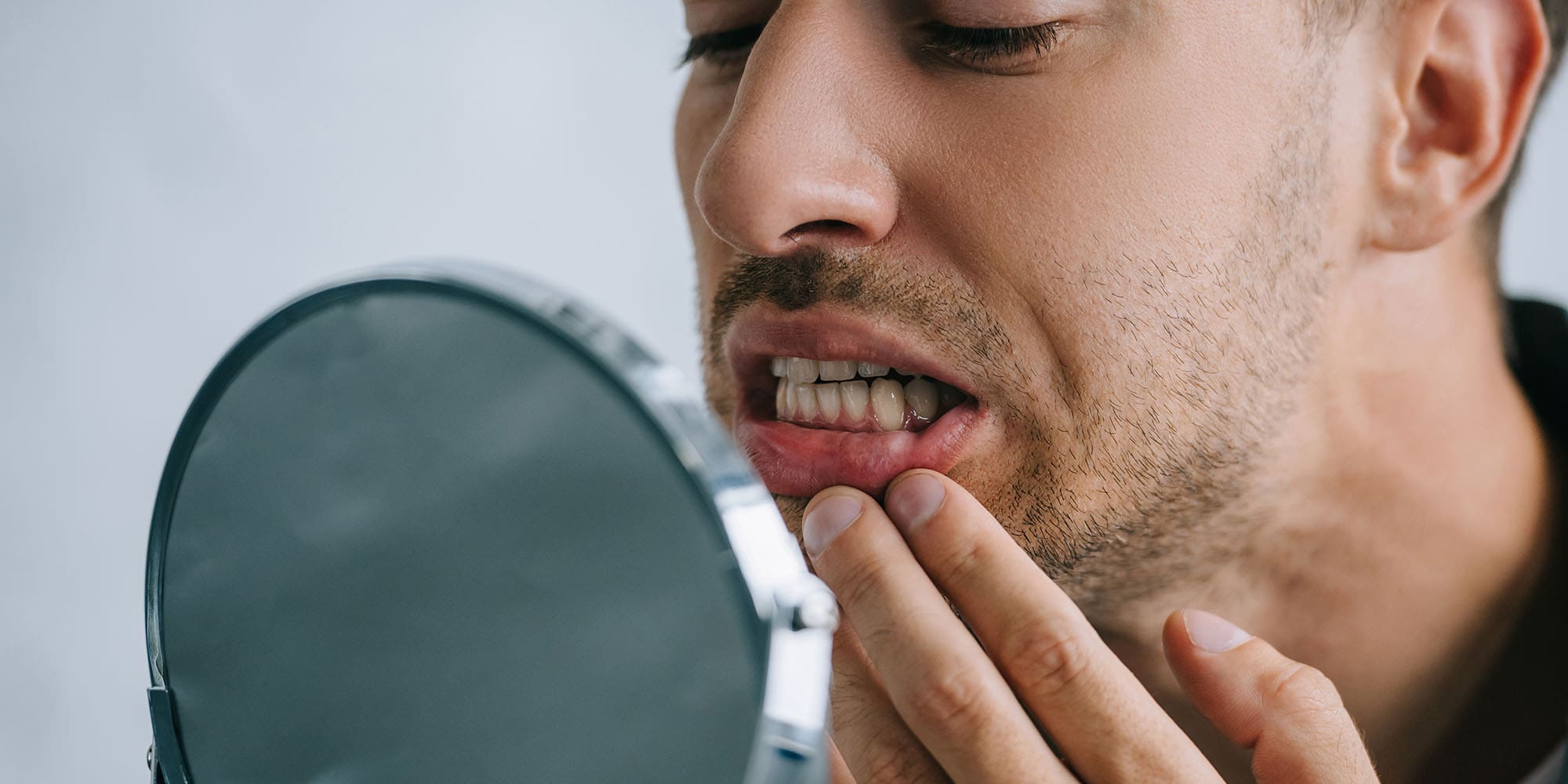
- Persistent pain after the initial healing period
- Swelling or inflammation around the implant
- Bleeding when brushing near the implant
- Gum recession around the implant
- A loose or shifting implant
- Difficulty chewing on the implant side
- Exposed metal showing around the implant
Some mild discomfort is normal immediately after surgery. However, ongoing pain or mobility is not considered normal and should be evaluated.
How To Reduce Your Risk of Dental Implant Failure
Although not all complications are preventable, taking these steps can significantly reduce your risk:
- Maintain excellent oral hygiene at home
- Attend regular dental exams and professional cleanings
- Treat gum disease before implant placement
- Do not smoke before and after surgery, complete cessation is recommended
- Wear a night guard if you grind your teeth
- Follow all post-operative instructions carefully
- Medical treatment for systemic disease like diabetes
- Vitamin and calcium supplements
Implant Planning and Long-Term Stability
Dental implant success depends on careful planning, precise placement, and ongoing maintenance.
Dr. Broda uses detailed 3D imaging and a thorough diagnostic process to evaluate bone health before recommending implant treatment. His focus is long-term stability, healthy surrounding tissue, and predictable results
Protect the Long-Term Success of Your Dental Implant
If you are a patient at Broda Family Dental and are experiencing pain, swelling, bleeding, or movement around your implant, contact our office for follow-up care and assessment. Early treatment may prevent more serious complications and preserve the implant.
To book an appointment at our dental office in Boulder, CO, call (303) 442-6141 or visit us at 777 29th St, Unit 300, Boulder, CO 80303.
FAQs
How common is dental implant failure?
Dental implants have a success rate of approximately 90 to 95 percent. Failure is uncommon in people without risk factors, but can occur due to infection, poor healing, or excessive stress on the implant.
Can a failed dental implant be replaced?
In most cases, yes. After removing the failed implant, bone grafting, and addressing the underlying cause, the implant is usually replaced.
Is pain always a sign of dental implant failure?
Mild soreness after implant surgery is normal. Persistent or worsening pain after healing may indicate infection or instability and should be evaluated.
What happens if peri-implantitis is left untreated?
Untreated peri-implantitis can lead to progressive bone loss around the implant and eventual loss of the dental implant.
What if I have all the high risk factors?
People with one or several of the risk factors can still have dental implants. They are more likely to have complications or fail, but careful planning and treatment modifications can significantly improve the odds of success.