Reviewed by Dr. Brett Broda
|
Reading time: three minutes
Pain and swelling are not uncommon after a tooth extraction, but symptoms should gradually improve as healing progresses. When discomfort worsens instead of getting better, it may signal an abscess or infection that requires attention.
Table of Contents
Is It Normal to Get an Abscess After a Tooth Extraction?
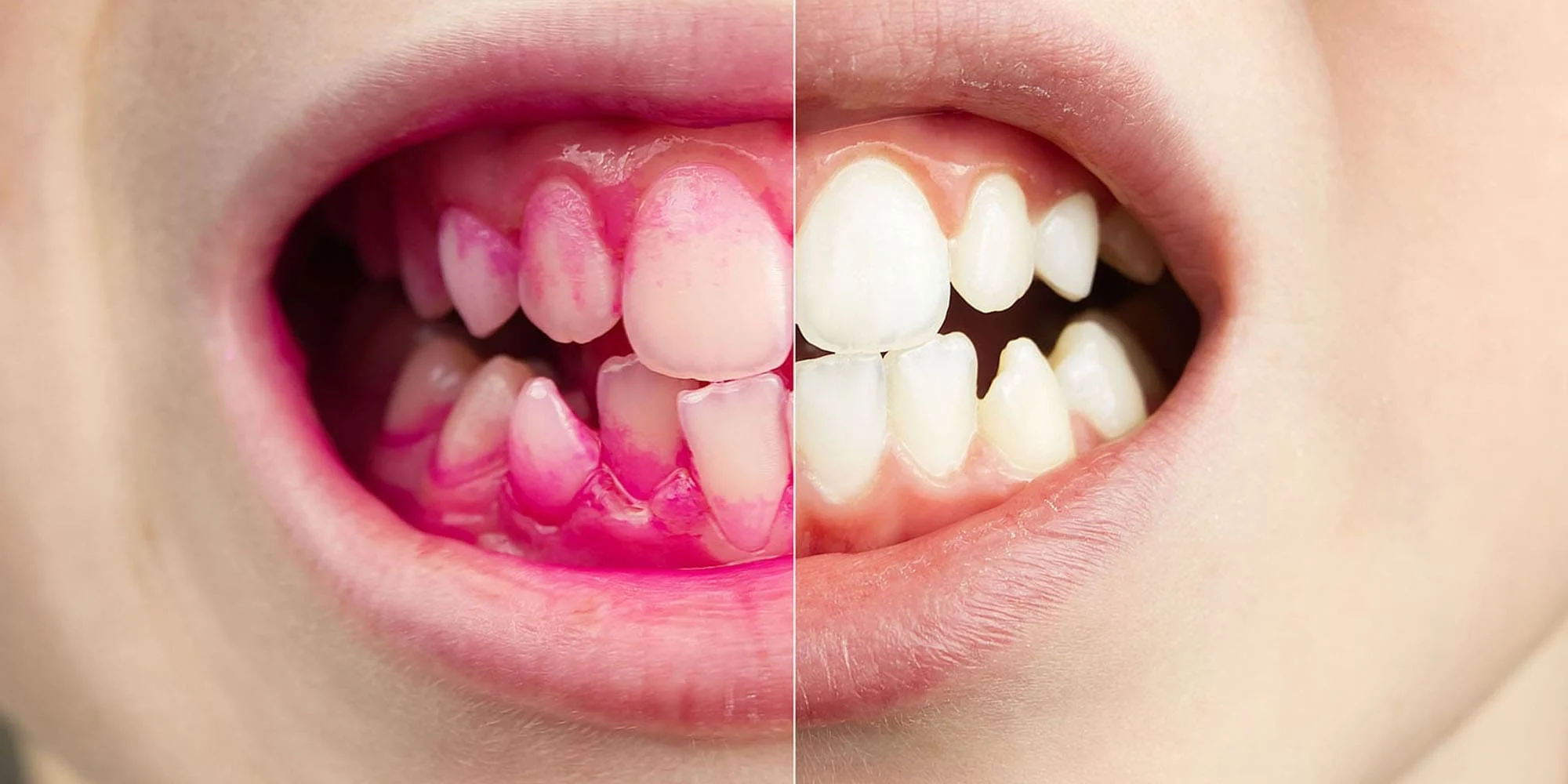
An abscess is not a normal part of healing after a tooth extraction. They are an uncommon but serious complication that can occur after an extraction. An abscess is a bacterial infection in or around the extraction site.
In contrast, normal healing follows a predictable pattern:
- Mild swelling that improves after the first few days
- Pain that gradually decreases
- No drainage or bad taste
How Do I Know If I Have an Abscess?
A dental abscess is a pocket of infection that forms when bacteria enter the extraction site and multiplies. This can develop in the socket, surrounding gum tissue, or nearby bone during the healing process.
Common symptoms of an abscess after tooth extraction include:
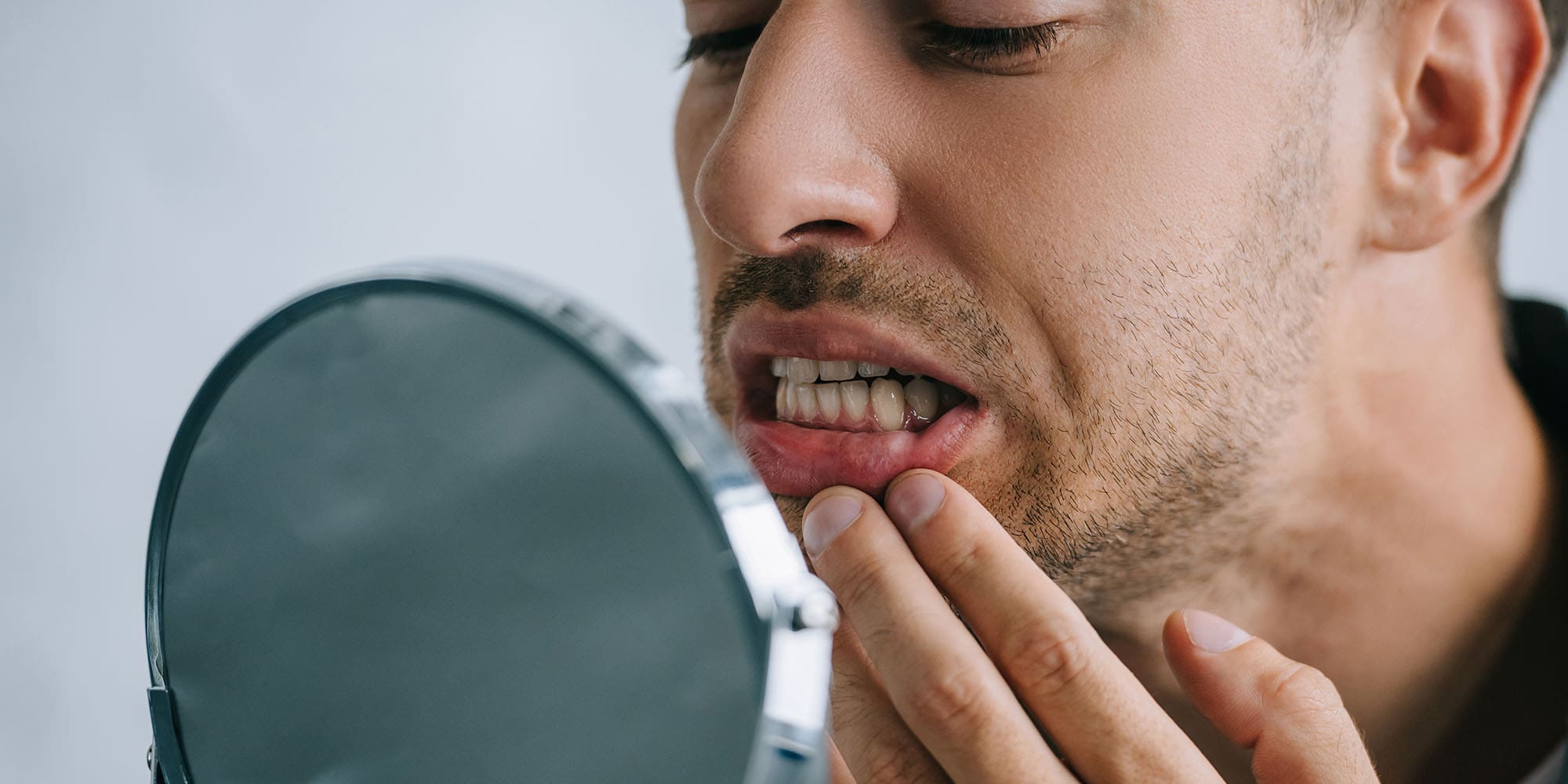
- Persistent or increasing pain several days after the extraction
- Swelling that worsens or spreads to the face or jaw
- Pus or drainage from the extraction site
- A bad taste or odor in the mouth
- Swollen lymph nodes in the neck or jaw
- Fever or feeling unwell
What Causes an Abscess To Form?
An abscess develops when bacteria enter the extraction site and multiplies. This can occur even when proper care is taken, but certain factors can increase the risk:
- Food or other debris becoming trapped in the site
- Dry socket that becomes infected
- A pre-existing infection that was not fully resolved
- Delayed healing due to smoking
- Touching the site with dirty hands
- A compromised immune system
What To Do If You Suspect an Abscess
If you think you may have an abscess, it is important to contact your dentist as soon as possible. Infections do not resolve on their own and can worsen or become life threatening without treatment.
Avoid disturbing the area, and do not attempt to drain the site yourself. Professional care is necessary. Early evaluation allows your dentist to treat the infection before it spreads or becomes more serious.
How Dentists Treat an Abscess After Extraction
Treatment depends on many factors including the severity of the infection, individual health, and how the area is healing. Your dentist will evaluate the site and determine the most appropriate next step.
Treatment options may include:
- Cleaning the extraction site to remove debris and bacteria
- Prescribing antibiotics
- Draining any accumulated infection
- Monitoring healing to ensure the infection resolves
A Careful Approach to Tooth Extraction
Preventing infection begins with careful surgical technique and thoughtful planning. Gentle tissue handling, proper cleaning of the extraction site, and minimizing trauma all support healing and reduce the risk of complications.
At Broda Family Dental, Dr. Brett Broda also provides clear post-operative instructions so patients understand how to care for the area at home. Guidance on rinsing, eating, activity, and oral hygiene plays an important role in preventing infection during the healing process.
If concerns arise after an extraction, patients are encouraged to contact the office for evaluation. Early follow-up allows us to assess healing and address potential issues before they develop into infection or abscess.
Dentist in Boulder, CO
If you are concerned about symptoms after a tooth extraction or unsure whether healing is progressing normally, contact your dentist for evaluation and guidance. If you are a patient at Broda Family Dental, give us a call for follow-up care and assessment.
To book an appointment at our dental office in Boulder, CO, call (303) 442-6141 or visit us at 777 29th St, Unit 300, Boulder, CO 80303.
FAQs
How long after a tooth extraction can an abscess form?
If an abscess develops, it’s typically within the first 2 weeks following an extraction.
Do I need antibiotics after a tooth extraction if I have an abscess?
Often, yes. As an abscess can progress into a life threatening emergency, a professional evaluation and appropriate antibiotic prescription are generally needed. Some extraction sites can feel like an abscess is forming, but do not require antibiotics.
Is swelling normal after a tooth extraction?
Mild swelling is normal and should improve within a few days. Increasing or spreading swelling may indicate infection.
What does an infected extraction site look like?
An infected site may appear swollen, red, and may produce pus or drainage. It is often accompanied by worsening pain or a bad taste. If there’s ever a question, it is best to have an evaluation with your dentist.