Reviewed by Dr. Brett Broda
|
Reading time: three minutes
Small indentations or notches near the gumline can be concerning, especially when they appear on otherwise healthy teeth. Many people assume these areas are cavities, but another possible cause is an abfraction.
Table of Contents
What Is a Dental Abfraction?
A dental abfraction is a common term for a loss of tooth structure that occurs near the gumline. It typically appears as a small wedge-shaped notch or indentation where the tooth meets the gum tissue. Professionally these are known as Non-Carious Cervical Lesion or an NCCL.
What Causes an Abfraction?
Abfractions are not caused by bacteria or decay. Instead, they typically have multiple contributing factors: erosion, abrasion, and excessive biting force. Erosion is the chemical loss of tooth. Abrasion is mechanical loss of tooth. Excessive biting force causes flexure of the tooth resulting in gradual loss of tooth.
In most cases, several of the following factors are involved:
- Erosion
- Acidic diet
- Acid Reflux
- Eating habits
- Poor timing with tooth brushing
- Abrasion
- Aggressive tooth brushing
- Wrong tooth brush or tooth brush head
- Poor brushing technique
- Abrasive toothpastes
- Foreign objects in mouth (e.g. toothpicks)
- Excessive Bite Force
- Teeth grinding (bruxism)
- Teeth clenching
- Uneven bite forces
- Misaligned teeth
- Long-term pressure on specific teeth during chewing
When Is an Indentation on a Tooth a Problem?
Not every abfraction requires treatment. Small, stable lesions may simply be monitored during routine dental visits. As the indentation deepens, more of the underlying dentin may become exposed, increasing sensitivity and making the defect more noticeable.
Treatment may be recommended if the lesion is causing:
- Tooth sensitivity
- Pain when eating or drinking
- Progressive loss of tooth structure
- Difficulty keeping the area clean
- Cosmetic concerns, particularly on front teeth
Treatment Options for Abfraction Lesions
Treatment depends on the size of the lesion, the symptoms present, and whether the area is continuing to wear over time. The goal is not only to repair the affected tooth but also to address the forces that may have contributed to the lesion in the first place.
Depending on the situation, treatment may include:
- Monitoring the lesion during dental exams
- Use of a custom nightguard to address grinding or clenching
- Evaluation of bite forces that may contribute to tooth stress
- Restoration of the area with tooth-colored composite bonding
Before and After Treatment of Abfraction Lesions
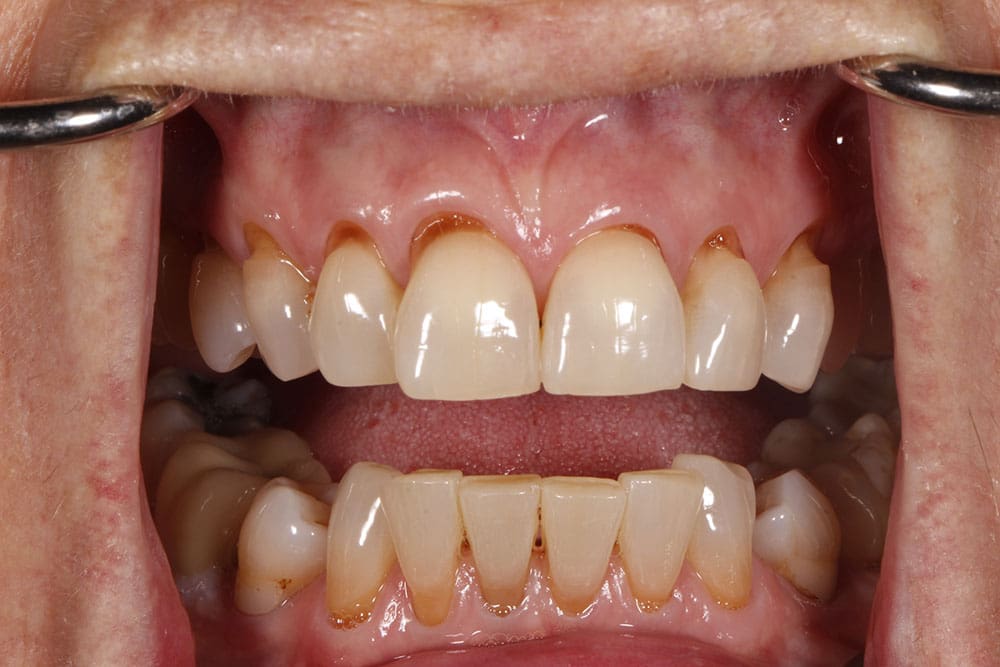
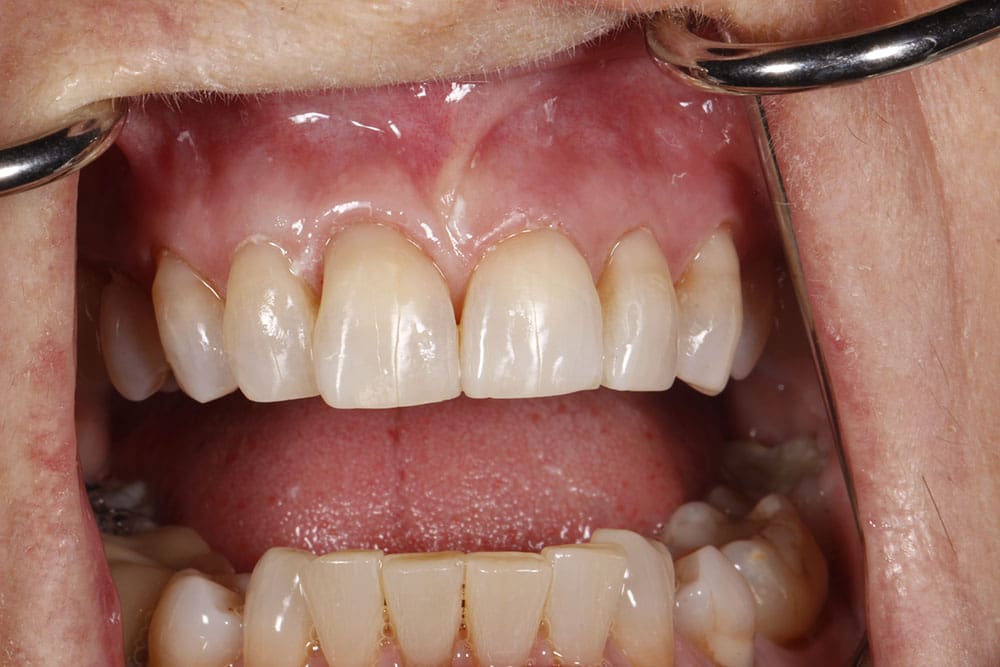
The images show abfraction lesions on the upper teeth. The teeth were treated with composite dental bonding. The process was completed in-office and only took about 45 minutes to complete.
Before:
After:
Personalized, Conservative Care for Tooth Wear
At Broda Family Dental, Dr. Broda takes a comprehensive approach to diagnosing tooth wear and structural damage. Using detailed examinations and digital imaging, he evaluates both the lesion and the factors that may be contributing to it. He develops an individualized treatment plan based on those findings. This approach helps preserve natural tooth structure while supporting long-term oral health.
If an abfraction lesion causes sensitivity or affects the appearance of a tooth, composite bonding may be used to restore the lost tooth structure. Bonding involves placing a tooth-colored resin material over the defect and shaping it to blend naturally with the surrounding tooth.
Dentist in Boulder, CO
We are always accepting new patients! To book an appointment at our dental office in Boulder, CO, call (303) 442-6141 or visit us at 777 29th St, Unit 300, Boulder, CO 80303.
FAQ
Can a dental abfraction heal on its own?
No, lost tooth structure does not grow back. However, small lesions that are not causing symptoms may not require immediate treatment and can often be monitored.
Is an abfraction a cavity?
Cavities are caused by tooth decay. Abfractions are associated with mechanical, erosion, or biting stress placed on the tooth.
Can teeth grinding cause abfraction?
Teeth grinding and clenching are almost always a contributing factor because they place repeated forces on the teeth over time.
How long does bonding last on an abfraction?
The lifespan of composite bonding varies depending on the location of the restoration, oral habits, and bite forces. With proper care, bonding can often last for many years before requiring repair or replacement.