Reviewed by Dr. Brett Broda
|
Reading time: three minutes
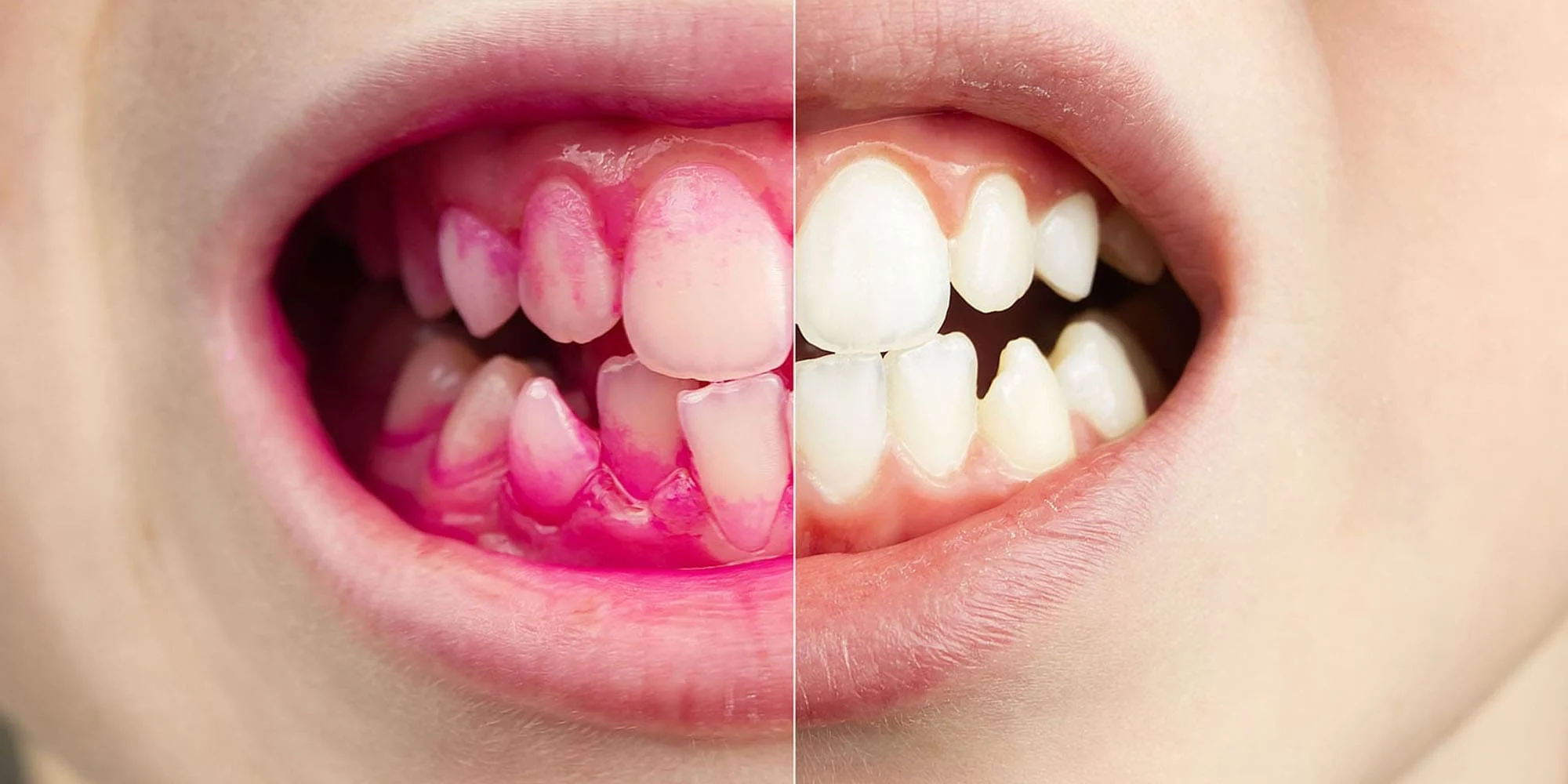
Root canal treatment is commonly used to treat infection inside a tooth and can often help preserve a natural tooth that might otherwise need to be removed. However, as with any dental procedure, complications can occur. In some cases, an infection may develop or return after treatment.
Table of Contents
Symptoms of a Root Canal That Is Infected
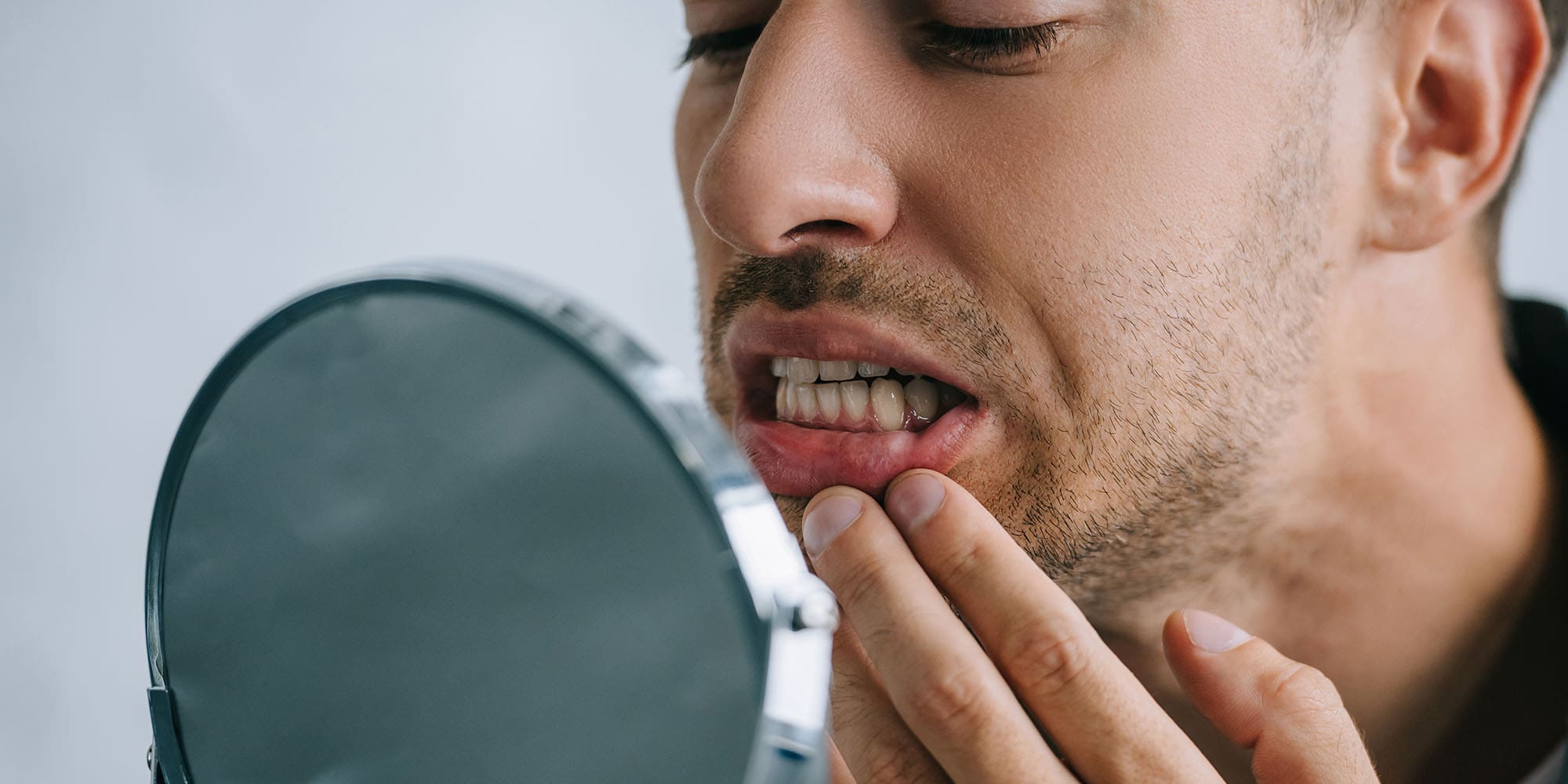
It is normal to experience mild soreness for a few days after root canal treatment. The tooth and surrounding tissues may be tender while healing occurs. An infected root canal can cause symptoms similar to the original tooth infection that required treatment.
Common signs include:
- Pain when chewing or biting
- Swelling of the gums or face
- A pimple-like bump on the gums
- Persistent sensitivity or pressure
- A recurring bad taste in the mouth
- Drainage or pus near the tooth
- Tooth discoloration
- Pain that worsens or returns after initially improving
Not every tooth with a previous root canal that becomes sensitive is infected, but ongoing or worsening symptoms should be evaluated by a dentist.
Can a Root Canal Get Infected Years Later?
A tooth that has been comfortable for years can still develop a new infection if bacteria gain access to the root canal system. Although root canal therapy removes infected tissue from inside the tooth, new bacteria can sometimes enter the tooth months or even years later.
This can happen for several reasons:
- A crown or filling becomes loose or damaged
- New decay develops around the treated tooth or crown
- The tooth develops a crack or fracture
- Complex root anatomy allows bacteria to remain in a small canal
What Happens If a Root Canal Infection Is Left Untreated?
An infected root canal will not resolve on its own.
Without treatment, the infection can:
- Damage the bone around the tooth
- Form a dental abscess
- Cause swelling and discomfort
- Spread into surrounding tissues
- Increase the risk of tooth loss
Early diagnosis makes treatment more predictable and may improve the chances of saving the tooth.
Evaluating Root Canal Problems
At Broda Family Dental, Dr. Brett Broda uses digital X-rays and 3D CBCT imaging when needed to evaluate persistent tooth pain, swelling, and possible root canal infections.
Every situation is different. Some teeth may benefit from retreatment, while others may require a different approach. The goal is to identify the source of the problem and recommend the most effective solution while preserving as much natural tooth structure as possible.
Dentist in Boulder, CO
If you are experiencing pain, swelling, or other symptoms after a root canal, it is important to have the tooth evaluated before the problem worsens.
We are always accepting new patients! To book an appointment at our dental office in Boulder, CO, call (303) 442-6141 or visit us at 777 29th St, Unit 300, Boulder, CO 80303.
FAQ
How do I know if my root canal is infected?
Common signs include pain when biting, swelling, drainage, a bad taste in the mouth, or symptoms that return after the tooth initially felt better.
Can a root canal infection go away on its own?
No. Once a root canal infection develops, professional dental treatment is required to remove the source of the infection.
How long after a root canal can an infection develop?
An infection may develop shortly after treatment or many years later if bacteria re-enter the tooth through decay, a crack, or a failing restoration.
Can an infected root canal tooth be saved?
In many cases, yes. Depending on the cause of the infection, retreatment or other procedures may allow the tooth to be preserved.