Reviewed by Dr. Brett Broda
|
Reading time: three minutes
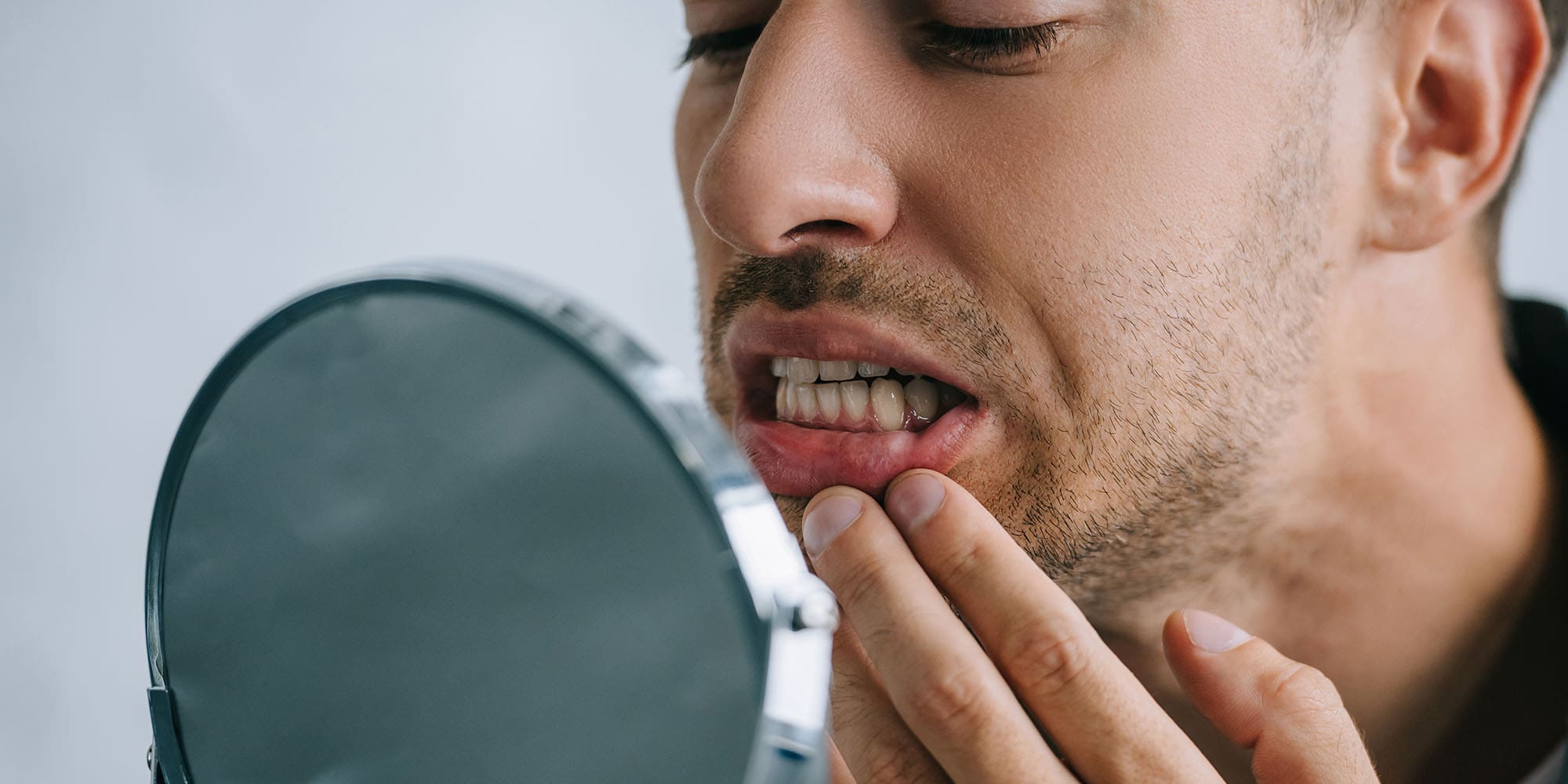
Pain in your upper teeth does not always come from the teeth themselves. Sinus pressure can create a similar feeling, which makes it hard to tell what is actually causing the discomfort.
Table of Contents
Can Sinus Pressure Cause Tooth Pain?
The maxillary sinuses sit directly above the upper back teeth. When these sinuses become inflamed or congested, the pressure can push down on nearby tooth roots. This can create pain that feels like it is coming from the teeth, even when the teeth themselves are healthy.
Ways to Relieve Tooth Pain Caused By Sinus Pressure
Focus on reducing pressure and improving drainage in your sinuses so the discomfort in your teeth eases:
- Use a decongestant or antihistamine to reduce sinus inflammation
- Apply a warm compress over the cheeks and sinuses
- Stay well hydrated to help thin mucus
- Use a saline nasal rinse to clear the sinuses
- Take over-the-counter pain relief if needed
- Sleep with your head slightly elevated
What a Sinus Toothache Feels Like
Sinus toothaches will feel different than those caused by a dental issue:
- Dull, aching pressure in the upper teeth
- Discomfort that worsens when bending forward (putting your head below your heart)
- Sensitivity in several teeth at once
- Pressure or fullness in the cheeks or under the eyes
- Often occurs alongside congestion or sinus symptoms
- Changes with head position
- Can be accompanied by sinus headache or facial pressure
- No temperature sensitivity
- No discomfort with eating
If these symptoms continue or the pain becomes more severe, it is important to determine whether the cause is sinus-related or a dental issue that needs treatment.
When to See a Dentist vs Doctor
Sinus-related tooth pain can overlap with dental problems. Knowing who to see depends on your symptoms and how the pain develops.
See a dentist if:
- Pain lasts more than a few days
- Pain becomes sharp, localized, or severe
- One specific tooth hurts more than the others
- Swelling appears in the gums or around a tooth
- Pain does not improve as sinus symptoms improve
These signs may indicate a dental issue such as infection, decay, or a cracked tooth.
See a doctor if:
- You have sinus pressure with congestion or nasal symptoms
- Facial pressure or headache is the main symptom
- Several upper teeth hurt at the same time
- Pain changes with head position or improves as sinus symptoms improve
- You have cold, allergy, or sinus infection symptoms
- You’re concerned and want to rule out a tooth problem
A dentist or doctor can help identify the source of the pain and recommend the appropriate treatment. Often a simple exam and quick x-ray can determine the source of pain or discomfort.
Personalized Dental Care
At Broda Family Dental, Dr. Broda focuses on identifying the true cause of tooth pain before recommending treatment. Care is based on thorough exams, modern imaging when needed, and honest, individualized recommendations.
This helps clarify whether your discomfort is coming from sinus pressure or a dental issue that may need treatment.
Dentist in Boulder, CO
We are always accepting new patients! To book an appointment at our dental office in Boulder, CO, call (303) 442-6141 or visit us at 777 29th St, Unit 300, Boulder, CO 80303.
FAQs
Can sinus pressure cause tooth pain without congestion?
Mild sinus inflammation can still create pressure on the upper teeth even if congestion is not severe.
How long does tooth pain from sinus pressure last?
It usually improves as sinus symptoms resolve, often within a few days to a week.
Which teeth are affected by sinus pressure?
The upper back teeth are most commonly affected because they are closest to the maxillary sinuses. It’s extremely rare to have pain on the lower teeth from sinus pressure