Reviewed by Dr. Brett Broda
|
Reading time: four minutes
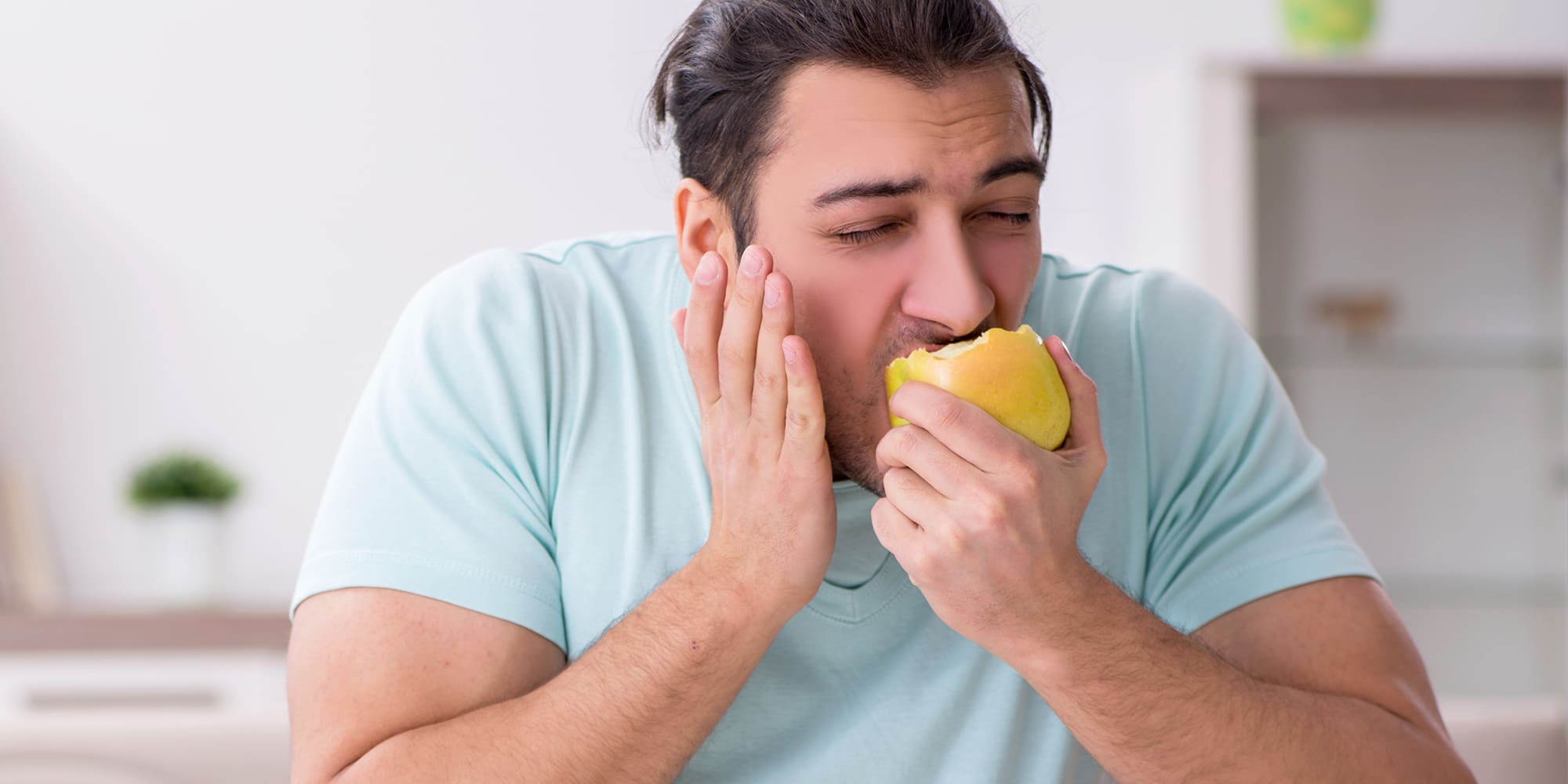
Chewing gum after wisdom teeth removal or any tooth removal may seem harmless, but it can impair healing. After removal, your body forms a protective clot and starts repairing the extraction site. This stage is fragile, and anything that creates suction or strain can disrupt the process.
Table of Contents
Why Gum and Wisdom Tooth Recovery Don’t Mix
Chewing gum adds movement and suction that can disrupt the early healing stage. Here’s how it can slow recovery:
- It can dislodge the blood clot. A protective clot forms in the empty socket after a tooth extraction. Gum increases suction and jaw movement, which can loosen or remove it. A dislodged clot exposes the extraction site and raises the risk of developing a dry socket.
- It increases jaw pain and stiffness. Your jaw is already working hard after the extraction. Chewing adds additional strain to sore muscles and joints, leading to increased stiffness and discomfort.
- Gum particles can irritate the extraction site. Small pieces can stick to oral tissues. If they get trapped in the healing area, they may slow the healing process or contribute to infection.
- It slows the overall healing process. Your mouth needs rest to recover. Healing depends on minimal movement, gentle oral hygiene, and a soft food diet. Chewing gum works against all three.
Wisdom Tooth Healing Timeline
Every patient heals at a different pace, but most follow a general timeline.
- First 24 hours: A protective blood clot forms and covers the extraction site. Use a gauze pad to control bleeding. Apply ice packs in 20‑minute intervals to reduce swelling.
- Days 2–3: Swelling begins to ease. Mild jaw stiffness is common. Stick to soft foods and avoid hot or even spicy foods.
- Days 4–7: Oral tissues continue repairing. Gentle mouth rinsing with a saline rinse may be allowed. Many patients need less pain medication. Avoid gum and anything that requires chewing force.
- Week 2 and beyond: The healing site becomes stronger and more comfortable. Many people return to normal eating, but chewing gum should still be avoided until you’re cleared by your dentist. Recovery time varies with the number of teeth removed and the complexity of the surgery.
Once the area has fully healed and any sutures have dissolved or been removed, you can safely return to chewing gum. Full healing means there is no lingering swelling, tenderness, or visible opening at the extraction site. Your dentist will let you know when it’s okay to resume normal activities.
What You Can Do Instead of Chewing Gum
You might notice bad breath after wisdom teeth removal. This is completely normal. Here are safe ways to freshen your breath and feel more comfortable without reaching for gum:
- Sip water often to keep your mouth hydrated.
- Rinse gently with warm salt water after the first 24 hours.
- Brush your teeth carefully, avoiding the extraction site.
- Use a tongue scraper to remove bacteria and buildup from your tongue.
- Use a sugar‑free mouth spray or lozenge if your mouth feels dry. Avoid products with alcohol or sugar, which can irritate tissues or cause decay.
- Stick to soft, cool foods like yogurt, applesauce, smoothies, or mashed potatoes.
If your breath continues to worsen instead of improve, or if you notice a persistent bad taste, it could be a sign of infection. Contact your dental provider and let them know how you’re feeling.
Dos and Don’ts After Wisdom Teeth Removal
A smooth recovery depends on protecting the blood clot and giving your mouth time to heal. Here’s what supports healing, and what can interrupt it.
Do:
- Keep swelling down with ice packs
- Practice gentle oral hygiene
- Stick to soft healthy foods
- Take pain medication as prescribed
- Use an oral rinse only when recommended
- Rest
Don’t:
- Chew gum
- Smoke or vape
- Choose hard or crunchy foods
- Touch the healing site
- Rinse vigorously
- Use straws or create suction
Wisdom Tooth Removal in Boulder
Wisdom tooth removal is a common procedure, and our team is here to support you throughout the healing process. If you have questions about recovery or need an evaluation, our Boulder office is ready to help.
To book an appointment at our dental office in Boulder, CO, call (303) 442-6141 or visit us at 777 29th St, Unit 300, Boulder, CO 80303.
FAQs
Does everyone have wisdom teeth?
Most people develop four wisdom teeth, although many individuals naturally have fewer or even none. A digital X-ray or CBCT scan can confirm how many are present.
Can chewing gum cause a dry socket?
Yes, gum increases suction and jaw movement, which can loosen the blood clot. Without the clot, the extraction site becomes exposed and at risk for dry socket.
What can you eat after wisdom teeth removal?
Soft foods are best. Think yogurt, smoothies, mashed potatoes, eggs, applesauce, and soups that aren’t too hot. Avoid anything crunchy, sticky, or chewy.
How do you avoid developing a dry socket?
How do you avoid developing a dry socket?
It comes down to protecting the blood clot and keeping the area as undisturbed as possible. Do not chew gum or use straws, since both create suction that can loosen the clot. Stick to soft foods, keep the area clean without vigorous rinsing, and follow all post‑care instructions from your dentist.
Who performs wisdom teeth removal near me in Boulder, CO?
If you are in Boulder or the surrounding area and require wisdom teeth removal, book a consultation at Broda Family Dental. Call (303) 442-6141 to book an appointment.