Reviewed by Dr. Brett Broda
|
Reading time: three minutes
Nicotine pouches have become popular among people who want a discreet, smokeless tobacco alternative. Brands like ZYN claim to offer a cleaner option than traditional tobacco products. But are these pouches truly risk-free? What happens to your gums and teeth when you use them daily?
Broda Family Dental offers Dental services in Boulder, CO
Table of Contents
Key Takeaway
Medications, supplements, and underlying health conditions can affect anesthesia, bleeding, and healing during oral surgery. Sharing your full health history with Dr. Kesecker ensures a safer procedure and smoother recovery.
How ZYN Pouches Affect Your Gums
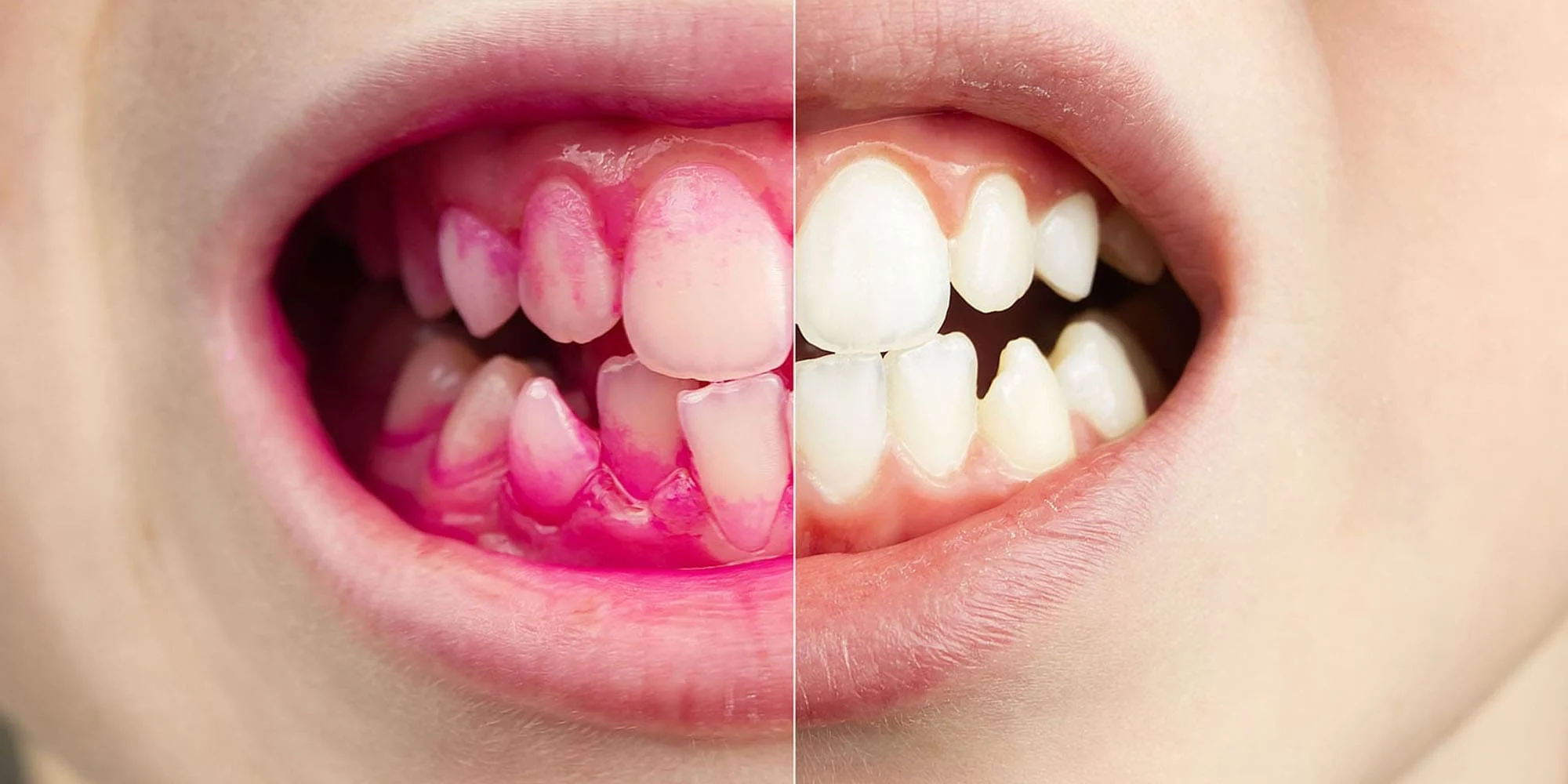
ZYN pouches sit directly against the gum tissue, which can lead to irritation and inflammation in the area where they are placed. Many people experience tenderness or a mild burning sensation because the gingival tissue is sensitive to prolonged contact with nicotine and flavoring agents.
A primary concern is the effect nicotine has on circulation. Nicotine constricts blood vessels, which limits oxygen and nutrient flow to the gums. When blood flow decreases, the gums have a harder time controlling inflammation and fighting harmful bacteria. Over time, this can make the tissue more susceptible to infection and increase the risk of developing gum disease.
Saliva and Dry Mouth
Nicotine affects saliva production. When saliva flow drops, you lose natural protection against bacterial growth. This increases the risk of:
- Tooth decay
- Bad breath
- Mouth sores
- Periodontal disease
- Changes in your oral microbiome
Dry mouth can also make existing gum irritation feel worse.
Enamel and Oral Tissue Changes
Nicotine pouches do not produce the same level of staining seen with traditional smokeless tobacco, but they can still affect the teeth and soft tissues. Reduced saliva flow and changes in the oral environment may contribute to gradual enamel weakening, even if the effects are less visible on the surface.
Continuous placement of pouches in the same area can also irritate the oral mucosa. This localized inflammation can persist over time, especially with frequent use. Although research is ongoing, chronic exposure to nicotine and flavoring agents is known to affect the health of oral tissues and should not be considered risk-free.
Gum Recession and Long‑Term Oral Health Risks
Receding gums are one of the most common issues linked to oral nicotine pouches. The combination of gum irritation, reduced blood flow, and dry mouth increases the risk of long‑term damage.
Potential complications include:
- Tooth sensitivity
- Exposed tooth roots
- Increased decay near the gumline
- Periodontal disease
These problems develop slowly, and many users don’t notice changes right away. Regular dental exams and cleanings help catch issues early and protect your gums over time.
Are ZYNs Safer Than Tobacco Products?
Nicotine pouches eliminate smoke and reduce exposure to many chemicals found in traditional cigarettes, but they still introduce nicotine into your mouth.
If you’re using nicotine pouches to quit smoking, consider pairing them with support for nicotine addiction. Your dentist can also discuss gum care strategies and healthier approaches to nicotine replacement.
When to See a Dentist
If you use nicotine pouches and notice any of the following, schedule a visit:
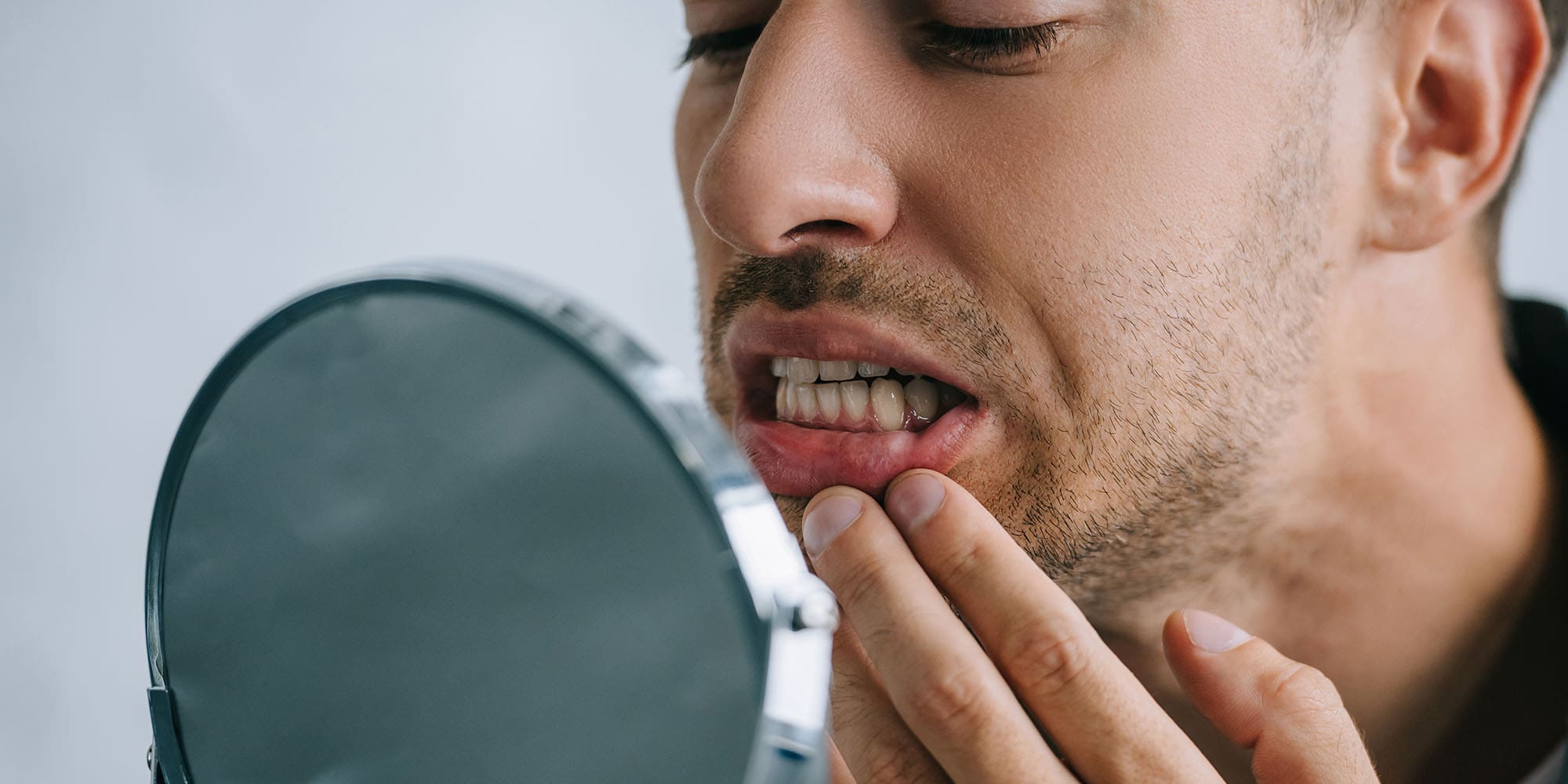
- Gum irritation or soreness
- Tooth sensitivity
- New staining or discoloration
- Mouth sores that don’t heal quickly
- Dry mouth throughout the day
If you notice changes or have concerns, our dental team can guide you on the next steps.
How to Protect Your Oral Health When Using Nicotine Pouches
If you choose to continue using oral nicotine pouches, these habits may help protect your mouth:
- Alternate the side where you place the pouch
- Drink water often to support saliva production
- Maintain consistent oral hygiene
- Avoid sleeping with a pouch in place
- Keep up with regular dental checkups and cleanings to monitor gum health and catch early changes
These habits can reduce irritation and slow progression, but they cannot fully offset the effects of nicotine on your gums.
Schedule a Dental Checkup in Boulder
If you’re concerned about gum recession, irritation, or other symptoms linked to nicotine pouches, we’re here to help. Our team focuses on individualized care, modern diagnostics, and honest guidance.
To book an appointment at our dental office in Boulder, CO, call (303) 442-6141 or visit us at 777 29th St, Unit 300, Boulder, CO 80303.
FAQ
Do ZYNs cause gum disease?
ZYN may contribute to gum irritation, inflammation, and recession. These issues can increase your risk for periodontal disease, especially when paired with dry mouth or poor oral hygiene.
Will gums heal after quitting ZYN?
Inflammation typically decreases once nicotine use stops, and many patients notice healthier gums over time. Gum recession, however, is a permanent change. A dental evaluation helps determine whether your gums will heal on their own or whether additional treatment or monitoring is recommended.
What are the long-term effects of using nicotine pouches?
Possible long‑term risks include gum recession, tooth decay, sensitivity, oral mucosa irritation, and increased risk of periodontal disease and oral cancer.
Does ZYN wear down enamel?
While ZYN does not erode enamel as aggressively as some tobacco products, reduced saliva flow and increased acidity in the mouth may still contribute to enamel weakening over time.