Reviewed by Dr. Brett Broda
|
Reading time: three minutes
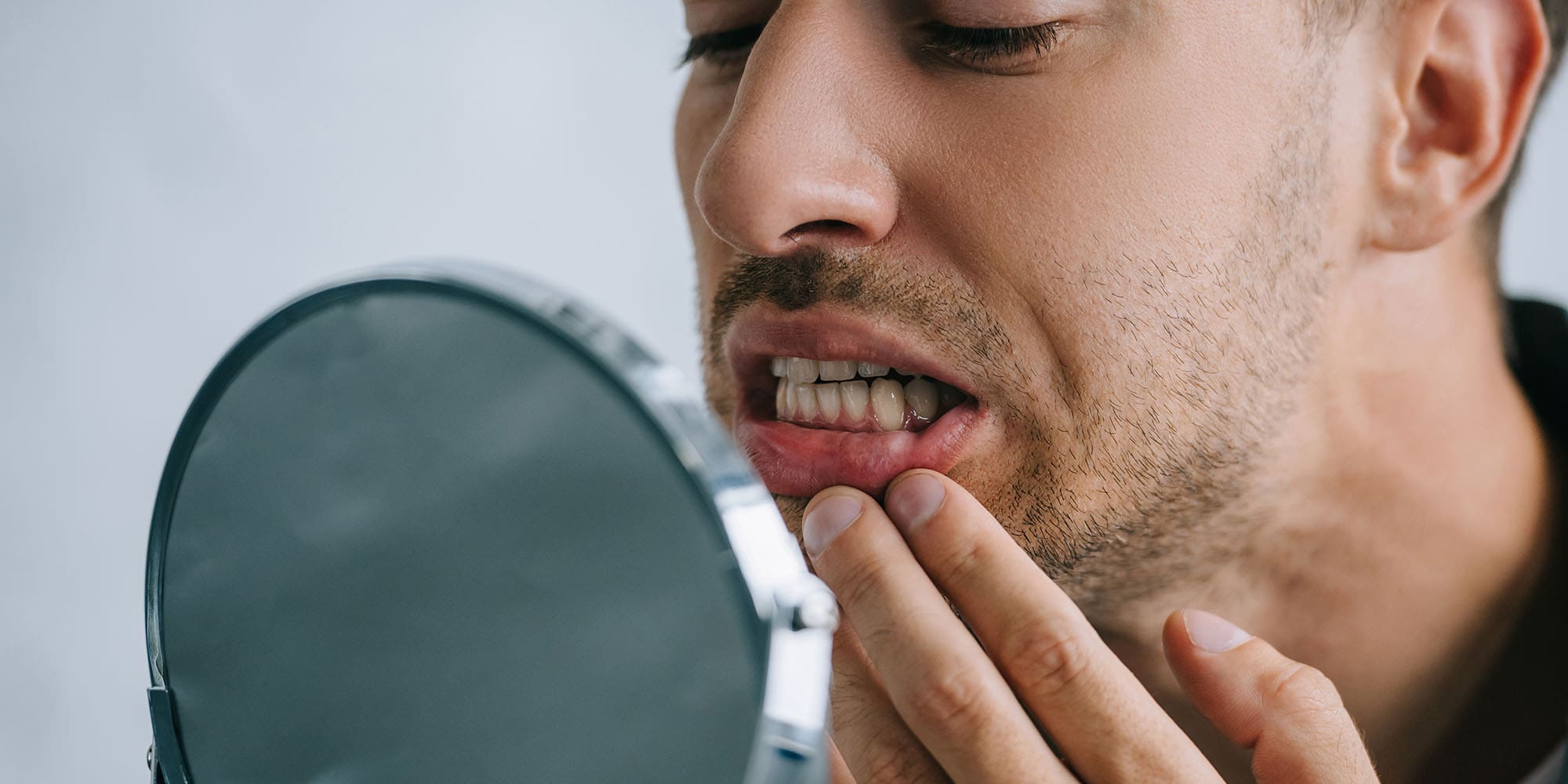
Bleeding gums can be concerning, especially when you brush and floss consistently. If you notice blood despite good oral hygiene, it deserves a closer look.
Table of Contents
What Causes Bleeding Gums?
Even with consistent brushing and flossing, gums can bleed due to a number of different issues:
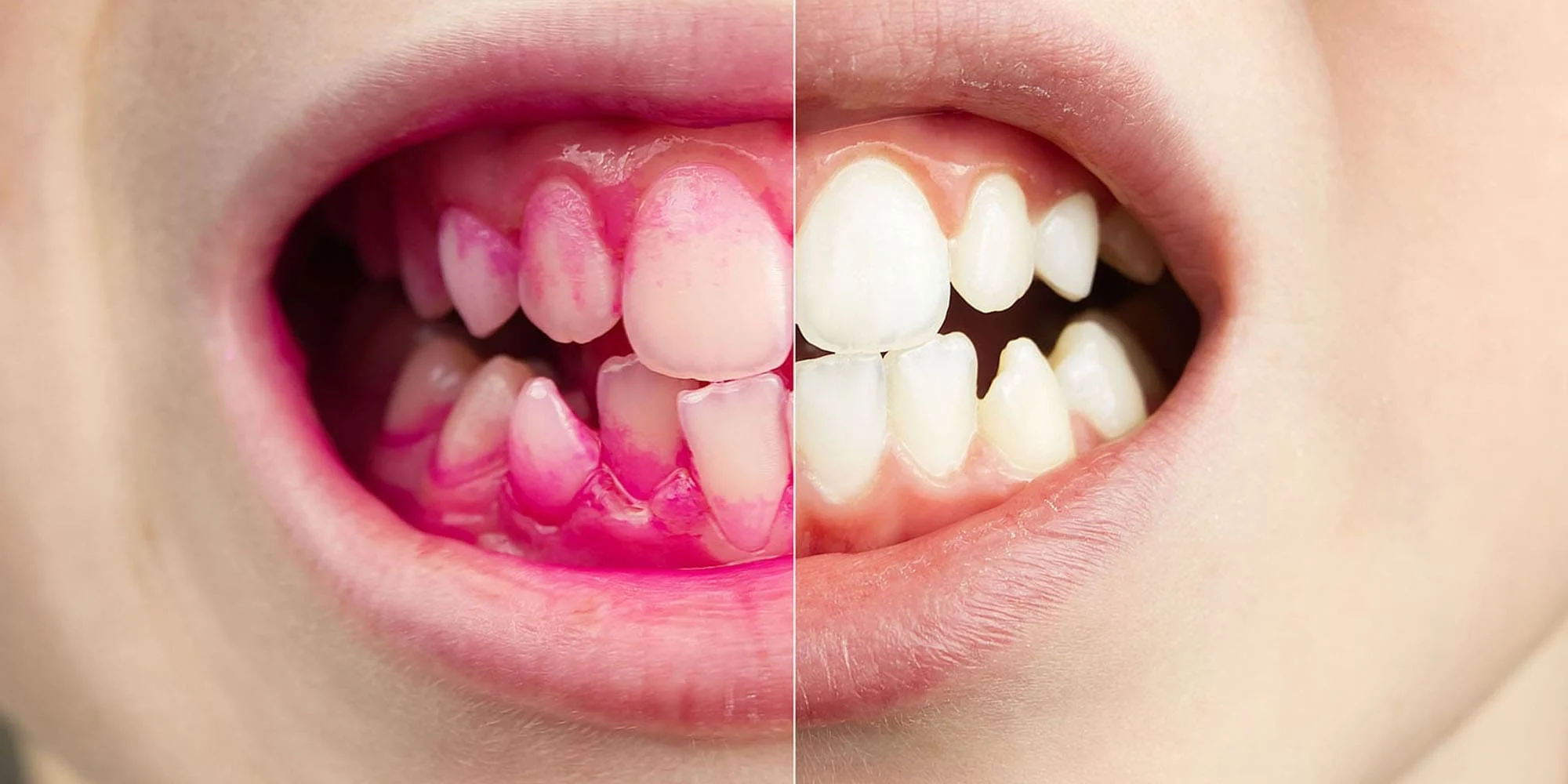
- Plaque buildup and gingivitis: Plaque can collect along and slightly below the gumline, especially around crowded teeth or restorations. The bacteria irritate gum tissue, causing inflammation and bleeding.
- High risk bacteria: The type of bacteria in your mouth matters a lot! Some high risk pathogens will cause bleeding, inflammation, and systemic disease more than others.
- Aggressive brushing or flossing: Brushing too hard, using a hard-bristled toothbrush, or snapping floss can irritate the gums.
- Hormonal changes: Pregnancy or other hormonal changes can make gums more sensitive and prone to bleeding due to increased blood flow and inflammation. This condition is called pregnancy gingivitis.
- Medical factors: Blood thinners and some health conditions that affect the immune system can increase bleeding. Vitamin deficiencies, including low vitamin C, may also contribute.
- Tobacco use: Smoking and other tobacco products can mask symptoms and are linked with periodontal disease.
I’m doing everything right, but my gums still bleed!
If you’re immaculate with your home care and you’re still having bleeding and inflammation, a professional evaluation is needed. You should be tested for high risk bacteria or other systemic diseases.
Are Bleeding Gums a Sign of Gum Disease?
Bleeding gums are most commonly a sign of inflammation. This can be classified as gingivitis, the reversible earliest stage of gum disease, or periodontal disease. With periodontal disease, the supporting bone and tissues are becoming permanently damaged or destroyed.
Advanced gum disease can lead to:
- Receding gums that expose tooth roots
- Persistent swelling and tenderness
- Loose teeth
- Bone loss around teeth
- Loss of teeth
- Infections and abscesses
Early diagnosis and professional care help prevent permanent damage.
What To Do for Bleeding Gums
If bleeding persists beyond a few weeks even with good oral hygiene, the underlying cause should be evaluated. Healthy gums should not bleed consistently.
- Improve your technique: Even with consistent habits, brushing too aggressively or using a hard-bristled toothbrush can irritate gum tissue. Use a soft-bristled brush and gentle pressure at the gumline. Floss with controlled movements to avoid trauma.
- Schedule professional dental cleanings: Plaque and tartar can accumulate in areas that are difficult to reach, especially below the gumline. A dental exam can determine whether gingivitis or early periodontal disease is present and whether treatment such as scaling and root planing is needed.
- Address underlying factors: Your bacterial profile, hormonal changes, certain medications, and vitamin deficiencies can increase gum bleeding even when plaque control is good. These contributors should be identified and addressed appropriately.
When To See a Dentist
You should schedule a dental evaluation if:
- Bleeding occurs regularly
- Gums are swollen, red, or tender
- You notice receding gums
- Teeth feel loose
- Bleeding does not improve after improving oral hygiene
- You regularly have bad tastes or smells in the mouth
Early treatment is less invasive than managing advanced periodontal disease.
Periodontal Evaluation at Broda Family Dental
Bleeding gums require careful evaluation to determine whether inflammation is limited to the surface or affecting deeper supporting structures. A thorough exam allows early detection of gingivitis and periodontal disease before permanent damage occurs.
At Broda Family Dental, dental exams include evaluation of gum tissue health, bone levels, and bacterial risk factors. With advanced diagnostics including salivary testing, ultra low dose 3D imaging and a preventive, minimally invasive approach, treatment recommendations are based on clinical findings and long term stability.
Dental Exam in Boulder, CO
We are always accepting new patients! To book an appointment at our dental office in Boulder, CO, call (303) 442-6141 or visit us at 777 29th St, Unit 300, Boulder, CO 80303.
FAQs
Why are my gums bleeding when I brush my teeth?
Bleeding when brushing is due to inflammation, most commonly caused by gingivitis or periodontal disease due to bacterial buildup. It can also occur from brushing too aggressively or using a hard-bristled toothbrush.
Can bleeding gums go away on their own?
Mild gum inflammation will often improve with better oral hygiene techniques. However, persistent bleeding usually requires professional dental evaluation to prevent progression to periodontal disease.
How can I get rid of gingivitis while pregnant?
Pregnancy gingivitis will improve with consistent and quality brushing, flossing, and regular professional dental cleanings. Inform your dentist and dental hygienist that you are pregnant so they can tailor your care appropriately.
Can vitamin deficiencies cause gum bleeding?
Yes! Vitamins B, C, and D deficiencies in particular can contribute to gum bleeding and gum inflammation. A balanced diet and proper oral care help support healthy gum tissue.