Reviewed by Dr. Brett Broda
|
Reading time: three minutes
Smoking is often discussed in terms of overall health, but its effects on the mouth can begin much sooner than many people realize. Changes to the teeth and gums can start early and progress gradually without obvious symptoms.
Table of Contents
How Quickly Can Smoking Damage Your Teeth?
The effects of tobacco use can appear much sooner than many people expect. These changes often follow a gradual timeline, beginning inside the mouth before serious damage is noticeable.
- Within days to weeks: Reduced saliva production can lead to dry mouth, persistent bad breath, and early surface staining. Saliva helps wash away bacteria, so when levels drop, dental plaque builds more easily.
- Within months: Plaque that is not removed hardens into tartar. Gums may become inflamed or tender, which are early signs of gum disease.
- Over years: Continued exposure increases the risk of periodontal disease, gum recession, bone density loss, and eventually tooth loss.
Because these changes often occur gradually, they can be easy to overlook in the early stages.
Early Signs of Smoking-Related Tooth Damage
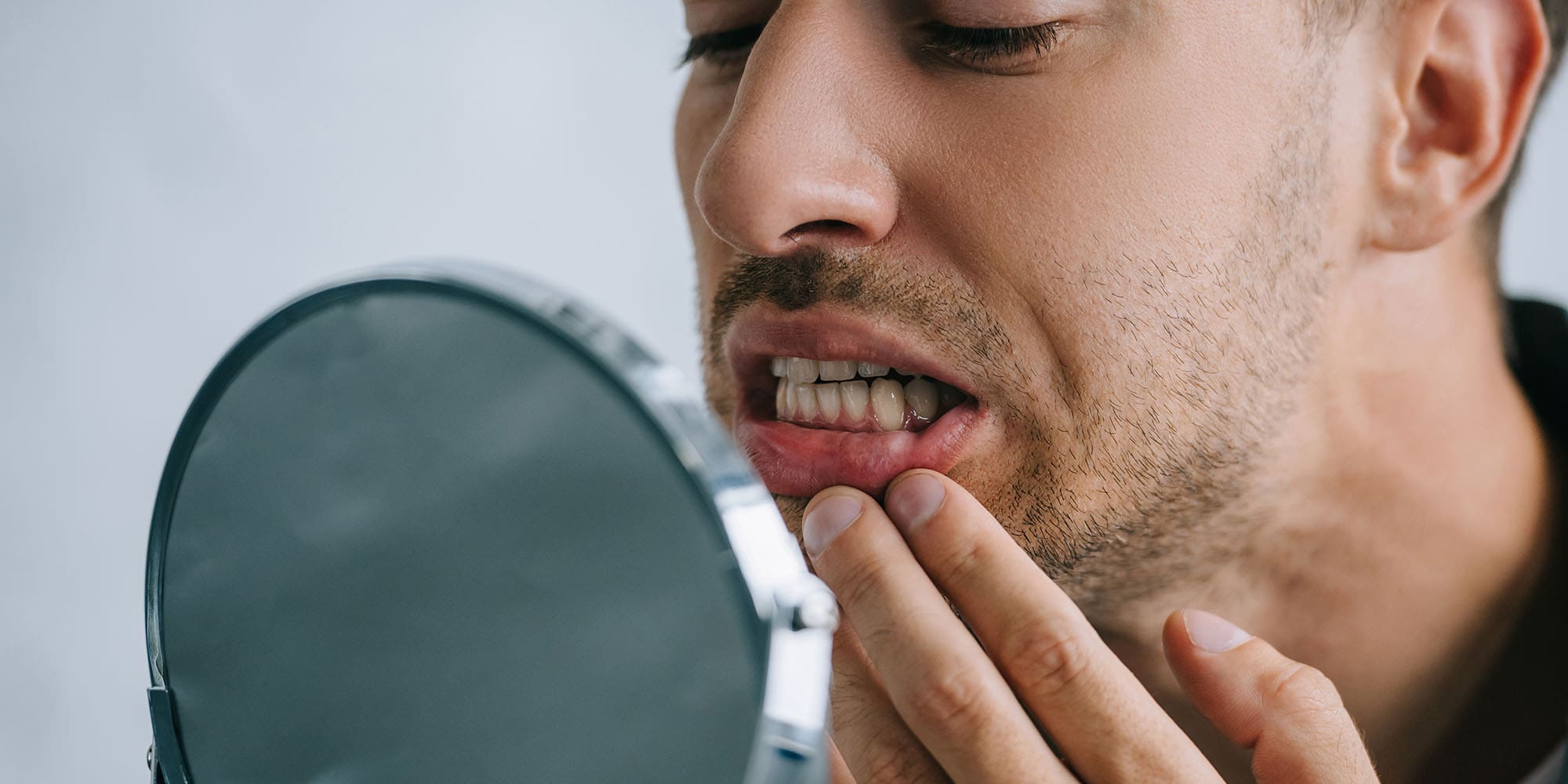
Many people notice subtle changes before more serious problems develop, including:
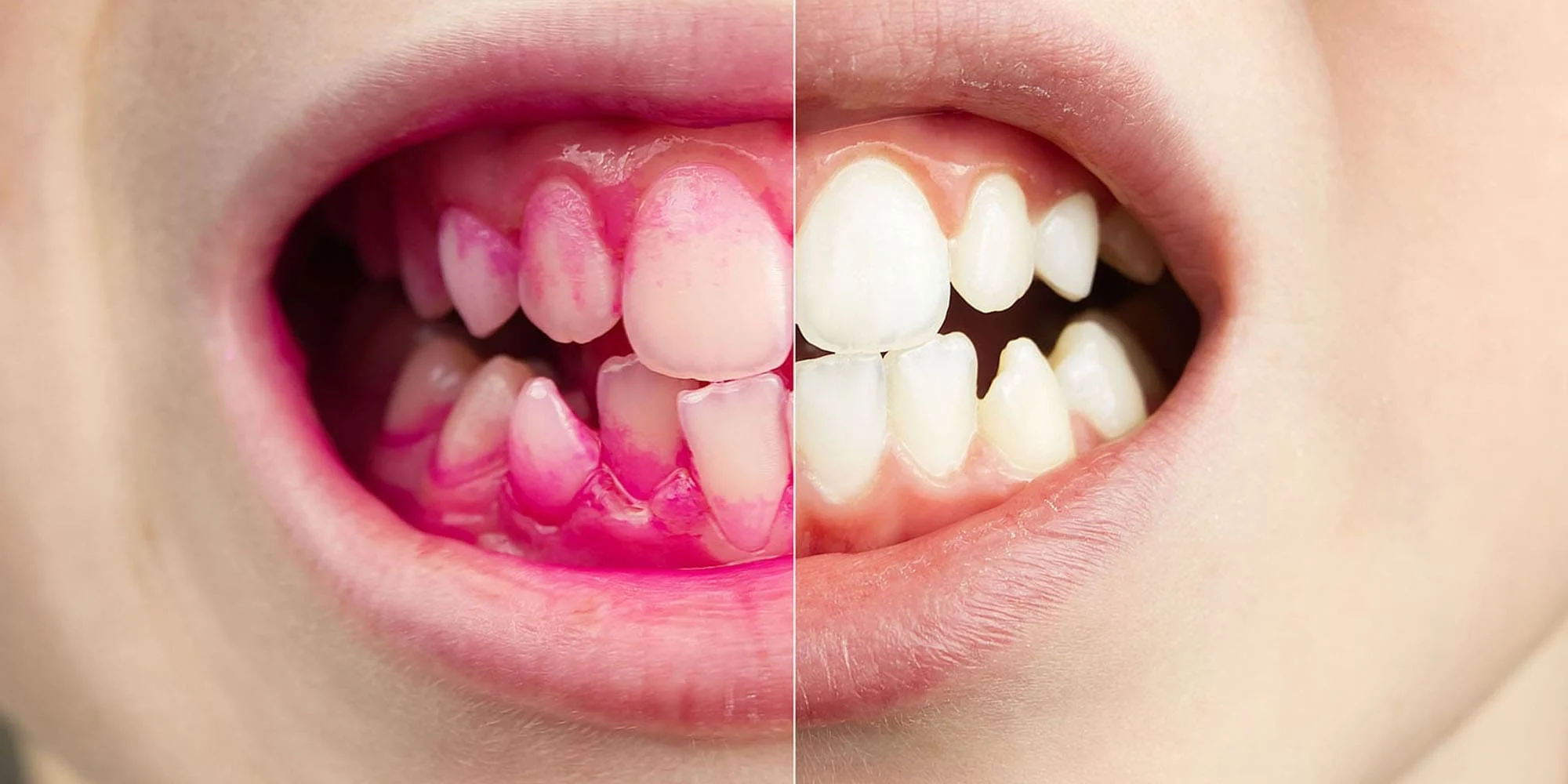
- Yellowing or dark tooth discoloration
- Bleeding or receding gums
- Persistent bad breath despite good oral hygiene
- Increased tooth sensitivity
Smoking can reduce blood flow to the gums, which often masks inflammation and allows gum disease to progress with fewer warning signs.
Long-Term Effects of Smoking on Oral Health
With ongoing tobacco use, risks increase significantly:
- Periodontal disease and gum loss
- Loss of bone support around teeth and dental implants
- Tooth loss
- Slower healing after extractions or other dental treatments
- Higher risk of oral cancer, including mouth cancer and abnormal white or red patches in oral tissues
These effects are cumulative and often become more difficult to manage over time.
Can Dental Damage From Smoking Be Reversed?
Some smoking-related changes can improve, especially after quitting. Saliva production may recover, inflammation can decrease, and the risk of further damage slows over time.
Other issues, such as gum recession, bone loss, or advanced periodontal disease, cannot be reversed. These conditions can often be managed with professional care and regular monitoring, which is why early intervention is so important.
Prevention Through Ongoing Dental Care
Routine dental exams and regular professional teeth cleanings help identify smoking-related changes early. At Broda Family Dental, we assess your gums, bone support, and overall oral health, then recommend care based on your needs.
To book an appointment at our dental office in Boulder, CO, call (303) 442-6141 or visit us at 777 29th St, Unit 300, Boulder, CO 80303.
FAQs
Can smoking cause tooth decay?
Smoking decreases blood flow to the gums, increases plaque and bacteria in the mouth, and reduces saliva production. All of which can raise the risk of tooth decay over time.
Is vaping as bad for your teeth as smoking?
While vaping eliminates combustion, it can still affect saliva, oral bacteria, and gum tissues. Research is ongoing, but vaping is not risk-free for oral health and many of the same effects are seen clinically.
How can smoking stains be removed from teeth?
Professional dental cleanings and teeth whitening treatments are the most effective ways to address tooth staining caused by tobacco use.
Where can I get a dental exam near me?
Broda Family Dental offers comprehensive dental exams in Boulder, CO, with a focus on gum health, oral cancer screening, and long-term oral health.