Reviewed by Dr. Brett Broda
|
Reading time: three minutes
If you’ve had a recent tooth extraction or oral surgery procedure, you might notice a sharp fragment sticking out of your gums. These are called bone spurs or bone spicules. They are common during healing and can cause mild irritation or sensitivity.
Table of Contents
What Are Bone Spurs?
Bone spurs are small, sharp fragments of bone that can appear around the tooth socket as your mouth heals after an extraction. They’re not a sign of infection or bone damage, just a normal part of how the body adjusts and smooths the bone during recovery.
As the area heals, a tiny piece of bone may work its way toward the gum surface. This can feel like a small bump, a rough spot, or something stuck in the gums.
Socket Preservation After Tooth Extraction
Socket preservation is often performed after an extraction to help maintain the shape and volume of the jawbone. A small bone graft is placed into the socket to support healing and create a smoother foundation for future treatment, such as dental implants.
Even with grafting, a small bone fragment may still reach the gum surface during healing.
Symptoms of Bone Spurs
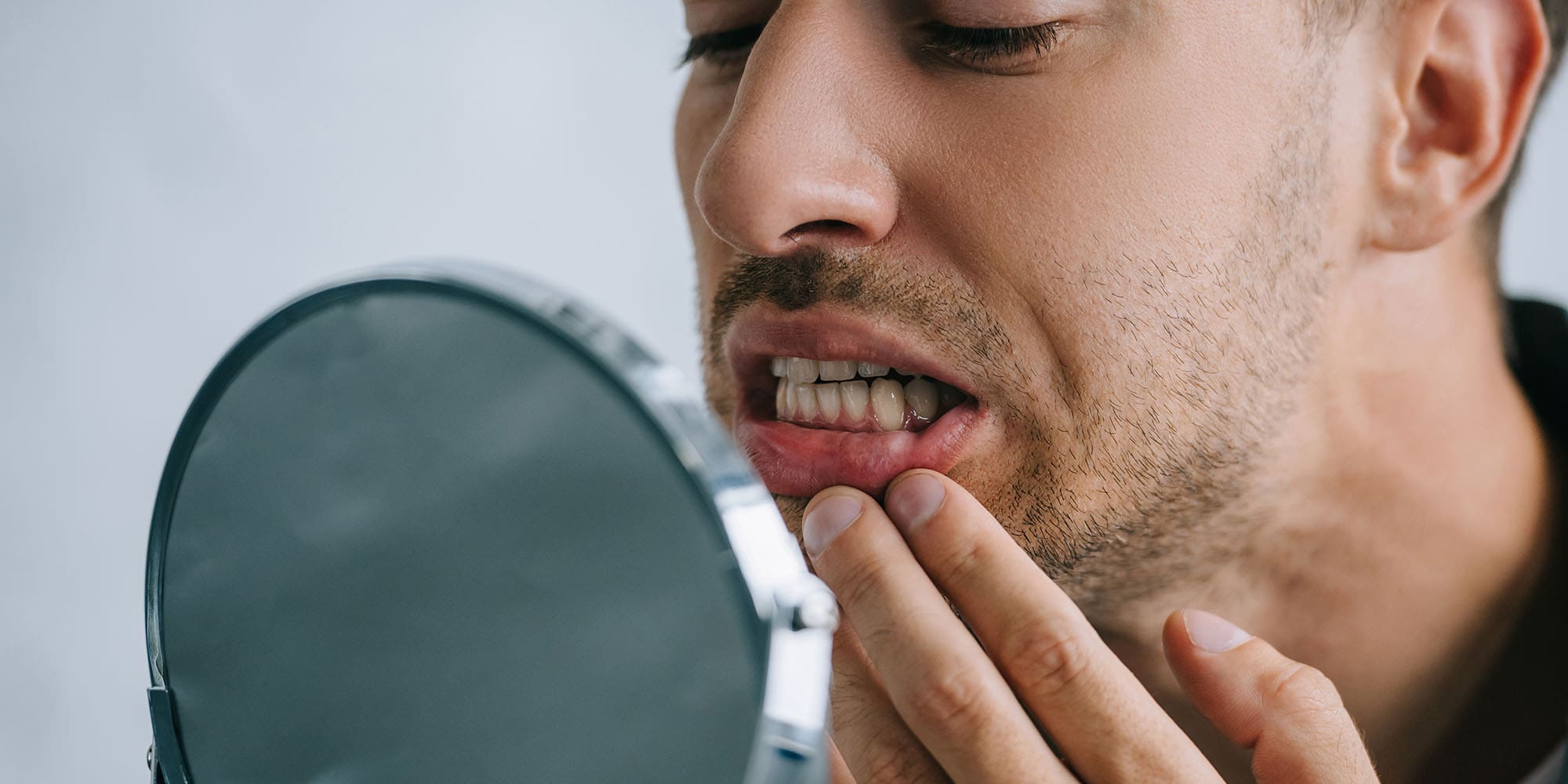
Many people don’t notice a bone spicule right away. It often becomes noticeable only when it rises closer to the gum surface. When it does, you may experience:
- A small, hard bump under or through the gum tissue
- Tenderness when chewing or touching the area
- A sharp edge that catches your tongue or cheek
- Localized gum irritation or swelling
- A rough spot that feels like something is stuck in the gums
- Occasional soreness as the fragment begins to loosen
If you notice any of these symptoms, it’s best to follow up with your dental provider. They will perform an exam to confirm the source of the irritation and make sure the area is healing as it should.
How to Manage Bone Spurs at Home
If you think you may have a bone spicule, there are a few simple ways to keep the area comfortable while you wait to see your dentist:
- Rinse with warm saltwater: This can soothe the gums and help keep the area clean. Use 1 teaspoon of salt in a glass of warm water and swish gently.
- Use over-the-counter pain medications: Medications like ibuprofen can ease tenderness. Follow the dosage instructions on the label.
- Apply a topical oral gel: A small amount of numbing gel can temporarily reduce discomfort in the area.
These steps can make symptoms easier to manage, but they won’t remove the bone fragment itself. If you’re resorting to pain medications or topical gel, you should see a dentist. A dental exam is the best way to confirm what’s going on and determine the best treatment option. Never try to remove a bone spicule yourself!
Treatment Options
Many fragments will resolve naturally. Warm saltwater rinses help keep the gums clean and may encourage the spicule to loosen over time.
If treatment is needed, options are simple and minimally invasive:
- Small spurs can be lifted out gently and do not require a surgical procedure.
- Larger, more embedded fragments may require a minor procedure to access and remove the piece of bone.
These techniques are straightforward and do not affect the surrounding jawbone. They also do not interfere with socket preservation, bone graft healing, or future treatments like dental implants.
Tooth Extraction in Boulder
Tooth extraction requires careful planning and attention to detail to support proper healing. At Broda Family Dental, we provide careful extractions and socket preservation when appropriate, along with clear guidance to support a smooth recovery.
To book an appointment at our dental office in Boulder, CO, call (303) 442-6141 or visit us at 777 29th St, Unit 300, Boulder, CO 80303.
FAQs
Are dental bone spurs painful?
They can be mildly uncomfortable, especially if they rub against your tongue or cheek. Many are painless and discovered only by touch.
What does a bone spicule feel like?
It may feel like a small, hard point or a tiny chip beneath the gum surface. Some patients describe it as having a popcorn kernel stuck in the gums.
Will bone spurs go away?
Most will work themselves out naturally as your gums heal. If a fragment is causing discomfort or not improving, a dentist can remove it.
Can you get a bone spicule years after tooth extraction?
It’s uncommon, but possible. Changes in gum tissue, bone remodeling, or irritation from dentures or dental appliances can expose small fragments.